Not every project that needs editing and colour grading started with a Morrocco Media crew behind the camera. Post-production services in Scotland exist as a separate commission for exactly this situation: a client with footage already filmed, by their own team or another production company, who needs it cut, graded and delivered to a professional standard. Shooting and finishing are often assumed to be a single package. They are not, and treating them separately is usually the more efficient route for anyone who already has something in the can.
What post-production services in Scotland cover
The scope is the same whether or not we filmed the material: assembly and fine cut editing, motion graphics and title sequences, sound design and mix, subtitle and caption preparation, and format conversion for whatever the delivery needs to be, broadcast, web, social or event projection. The primary tool is DaVinci Resolve Studio, the industry standard for colour grading, and we accept footage from all major camera platforms, Sony, Canon, RED and GoPro among them, along with project files from Premiere Pro, Final Cut Pro and DaVinci Resolve itself. A client does not need to have shot on the same kit we would have chosen, or even to have used a professional camera at all. What matters is what arrives on the drive.
Why the grade still needs a decision, not a fix
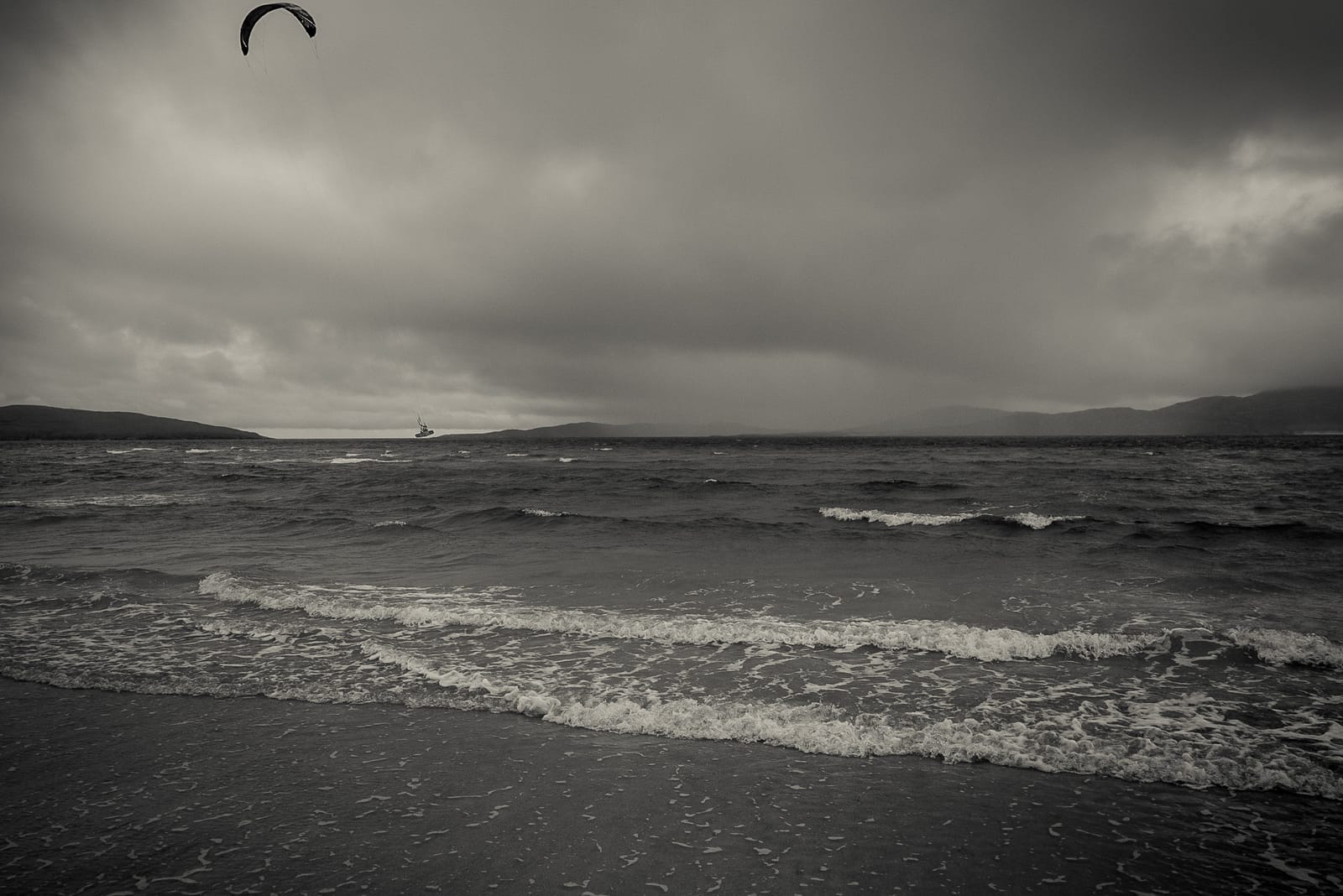
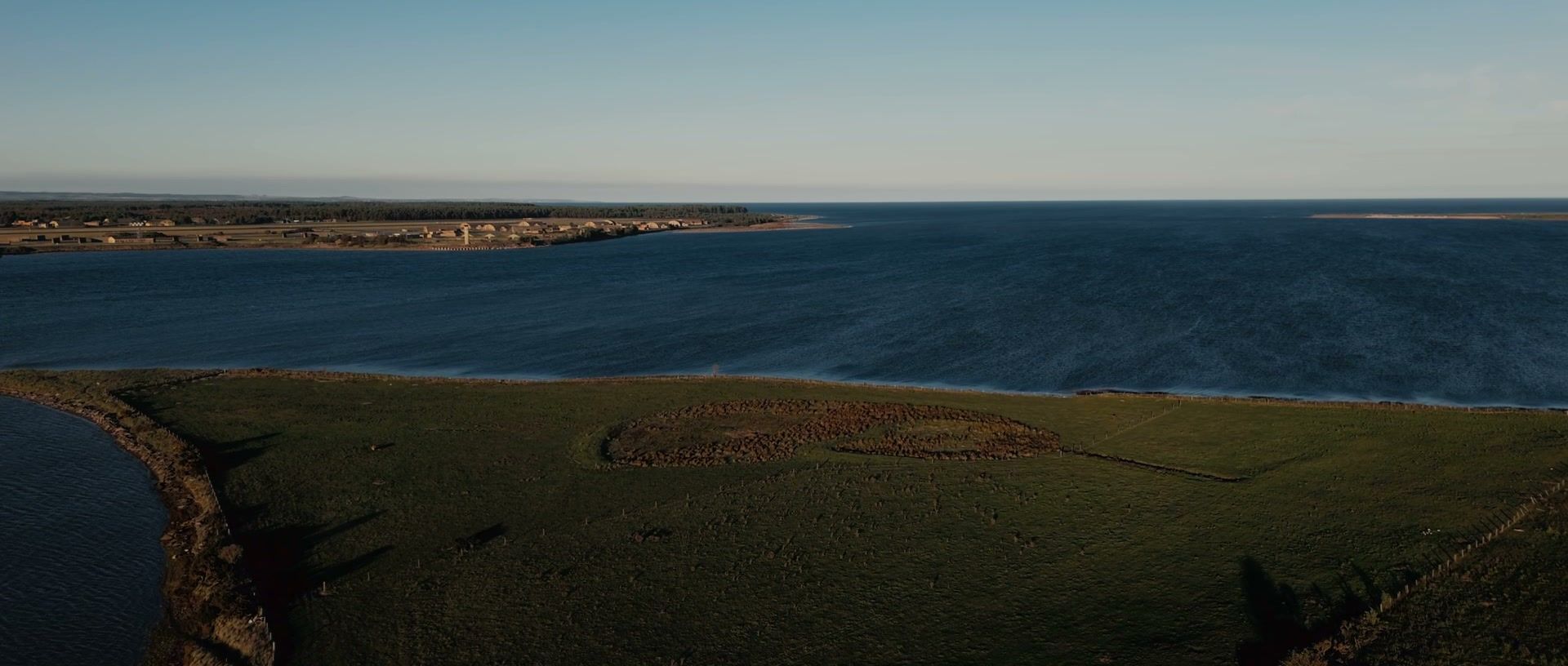
Footage assembled from more than one source rarely arrives looking consistent. Different cameras render skin tone and sky differently, different operators expose differently, and footage shot across several days in changeable weather carries the changes with it. Grading is the stage where that gets resolved, and it is a creative decision rather than a technical correction: establishing one mood and one visual identity across material that did not start that way. The West Coast Waters series is a useful example of the same problem inside a single commission. Three films for Rural Dimensions, shot across the west coast over conditions that could not be scheduled and had to be waited for, needed a grade that made a sea kayaking sequence in flat Argyll light and a coastal walk shot on a different day in different weather read as one continuous piece of work. Footage arriving from several sources for a standalone edit is the same challenge, just with the variation set before the edit begins rather than managed during the shoot.
When it makes more sense to commission post-production alone
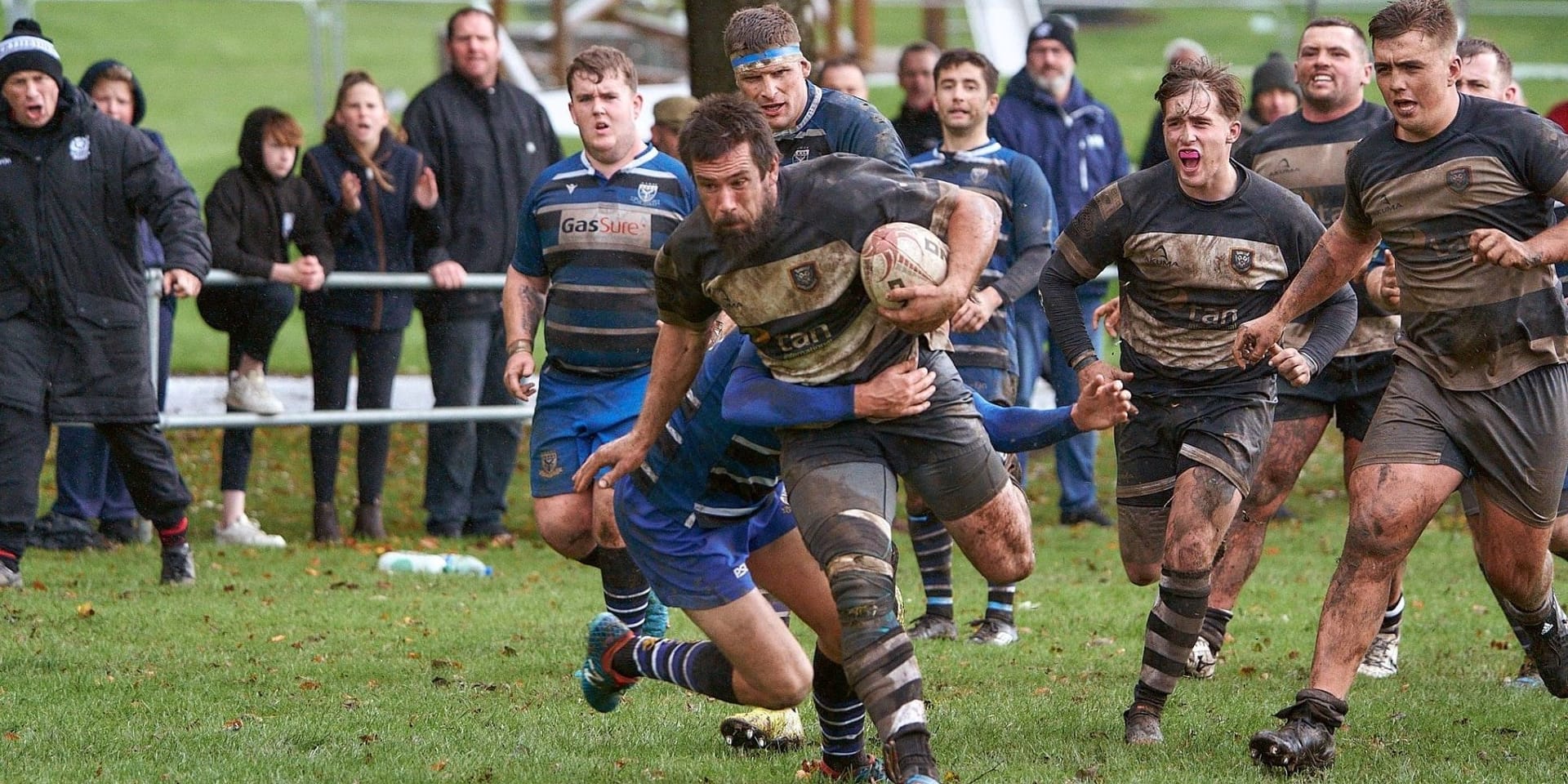
The clearest case is archive or self-shot footage that has never been properly finished: material sitting on a hard drive from an event, a product day, or a project an organisation filmed itself without the equipment or time to edit and grade it afterwards. A second, more established case is a client whose own team films the material as a matter of course and sends it to us to finish. Several of the films we have made for Scottish Rugby work this way: their team shoots the footage, and the commission is to cut it, grade it and deliver it, with no Morrocco Media camera on site at all. A third case is more straightforward: an in-house marketing team with a camera and no edit suite, or an agency that has commissioned filming elsewhere and needs the grade brought up to a broadcast or campaign standard before it goes out.
What we need to start
A standalone commission moves faster with a clear brief on what the footage is for and where it will be seen, since a cut destined for broadcast is a different job from one destined for a fifteen-second social edit, even from the same source material. Beyond that, the practical requirements are the original camera files or a full-resolution export rather than a compressed proxy, since grading degrades visibly if it is done on footage that has already been compressed for the web, and any existing brand guidelines or previous edits if the new work needs to sit alongside them. A rough cut or shot list is useful but not required. We can work from raw, unstructured footage and build the structure in the edit.
If you have footage that needs finishing rather than a production from scratch, our post-production, editing and colour grading service covers exactly this, independently of any shoot.
Frequently asked questions
Can I commission editing and colour grading without booking a shoot?
Yes. Post-production is offered as a standalone service. Send the footage and the brief and we will advise on what is achievable and what it will take to get there.
What footage formats and project files can you work with?
We work with footage from all major camera platforms, including Sony, Canon, RED and GoPro, and accept project files from Premiere Pro, Final Cut Pro and DaVinci Resolve. Delivery covers all standard broadcast and digital formats.
How much does standalone post-production cost in Scotland?
The same transparent, all-inclusive rates apply as the rest of our work: £110 per hour for smaller jobs, or £650 for a full editing or grading day, with no separate software or equipment fees. A short project might need one or two editing days; a longer or more complex grade will take more. We look at the footage and the brief first and give a detailed quote rather than an estimate based on running time alone.
Do you need the original camera files, or is a rough cut enough?
Original camera files or a full-resolution export are best, since grading on footage already compressed for the web loses visible quality. A rough cut or shot list helps but is not required. We can build the structure in the edit from unsorted footage if that is what exists.