Charity video production in Scotland asks something different of a filmmaker than a standard brand or corporate commission. A charity film has to raise money, change minds or move an audience to act, often on a fraction of a commercial budget, and it has to do this without slipping into the sentimentality that makes so much charity content forgettable rather than moving. After two decades of production work across Scotland’s public, private and voluntary sectors, Morrocco Media has learned that the charities and community organisations who get the most from a film are the ones willing to build it around one real story rather than a list of good causes.
Why charity video production in Scotland needs a different approach
A corporate brief usually starts with a message: what the organisation wants an audience to know. A charity brief usually starts with a need: what the organisation wants an audience to feel, and then do, whether that is donating, volunteering or simply understanding a cause differently. Statistics and mission statements rarely achieve that on their own. A specific person, place or moment almost always does. The job of the filmmaker is to find that specificity within the charity’s work and build the film around it, rather than trying to represent the full scope of the organisation in three minutes.
This is not simply a stylistic preference. It reflects how audiences actually respond to charity content. A film that lists services and outcomes reads like an annual report with music over it. A film that follows one person through one true experience gives the audience something to hold on to, and that emotional anchor is what tends to convert attention into support.
STAR Siblings Reunited: building a film around one true story
When Morrocco Media was commissioned to make Calling Out at Christmas for STAR Siblings Reunited, a Fife-based charity that reunites brothers and sisters separated through the care system, the brief could easily have become a general explainer about the charity’s mission. Instead, the film was built entirely around Olivia, a young woman reunited with her sister through STAR after years of separation. Her story gave the film its emotional core: specific, real and impossible to watch without understanding what the charity actually makes possible.
That approach shaped every production decision. The crew spent time with Olivia and the STAR team before any camera was switched on, so the shoot itself could be intimate and unhurried rather than rushed through a shot list. The edit was led by Olivia’s own words rather than a predetermined structure, and the colour grade was kept warm but restrained, honest rather than manipulative. The finished film became STAR’s primary fundraising and awareness asset across the Christmas period and was shared widely by supporters, reflecting the seriousness of the charity’s work rather than reducing it to a generic appeal.
Community and voluntary sector films: Caterans Commonwealth
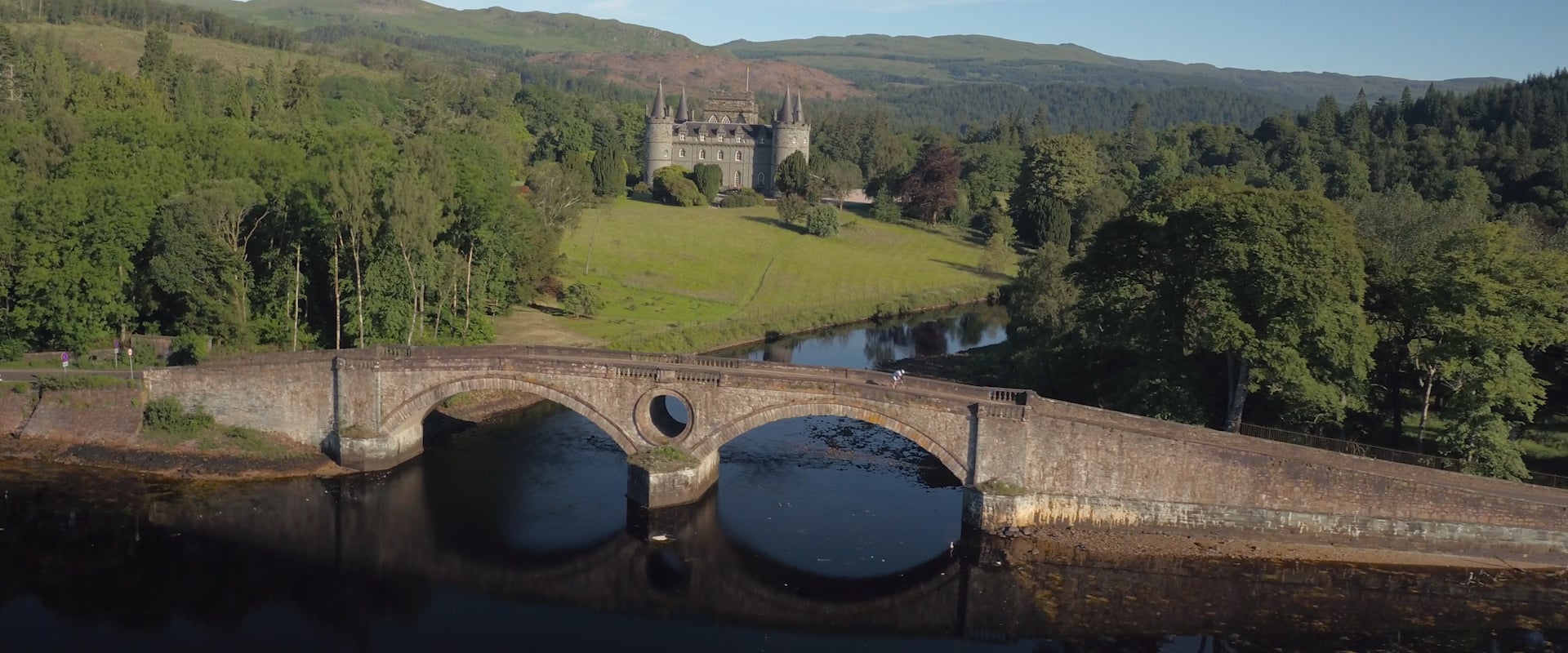
Not all charity and community video is built around a single protagonist. Caterans Commonwealth, made for Cateran Ecomuseum, documented a community-led initiative bringing together cultural practitioners, voluntary organisations, businesspeople and civic leaders across the Cateran Trail in highland Perthshire. The brief there was different: to capture the breadth of a two-year programme of community projects and communicate its ambition to funders and the wider public, rather than to follow one individual’s journey.
The production covered multiple shoot days across the Cateran Trail area, combining landscape cinematography with interviews from the people behind each project. The approach stayed documentary in style, observational and unhurried, so the film would honour the scale of community effort behind the initiative while remaining accessible to audiences with no prior knowledge of the area or the programme. The resulting films gave Cateran Ecomuseum assets it could use across funding applications, public presentations and ongoing community communications, a reminder that charity and community video often needs to work as hard in a funding meeting as it does on social media.
Morrocco Media has also produced work for other Scottish charitable and public-benefit organisations, including St Columba’s Hospice, reflecting a consistent thread through two decades of commissions: organisations doing serious, often difficult work need films that treat that work with the same seriousness.
What Scottish charities should expect from a production partner
A charity commissioning video for the first time should expect a filmmaker who asks about the people behind the cause before asking about the message, who is comfortable spending time building trust with contributors rather than arriving and filming immediately, and who understands that restraint in the edit and the grade usually serves a charity film better than polish for its own sake. Practical considerations matter too: charities often need a finished film to work across multiple contexts, from a fundraising event screening to a short cut for social media, and a production partner should plan for that from the outset rather than treating it as an afterthought.
Charity and community video sits within Morrocco Media’s corporate video production service, which covers the full range of commissions from large public sector campaigns to single-story charity films, all delivered with the same cinematographic rigour applied to broadcast and adventure work.
Frequently asked questions
How much does a charity video cost in Scotland? Morrocco Media works to the same transparent, all-inclusive rates across all commissions: a full day is £650, a half day is £400, and hourly work is available at £110 per hour, covering both filming and editing with all equipment included. Charities with limited budgets are welcome to discuss what is achievable within a set figure. As a guide, one day of filming typically requires around two days of editing for the grade, sound design and any graphics.
Do we need a specific person’s story, or can the film be about our services generally? A specific story is not essential, but it consistently produces a stronger film. If your charity does not have an obvious individual story to tell, a documentary-style approach following a community project or programme, as with Caterans Commonwealth, can achieve a similar effect by giving the audience something concrete to follow rather than a general overview.
How long does a charity film take to produce, from brief to delivery? Timelines vary with the story and the shoot requirements, but a single-story charity film typically involves an initial period building trust with contributors before filming, one to two shoot days, and roughly two days of editing per day filmed. Charities working towards a fixed date, such as a Christmas appeal or an annual fundraising event, should build in time for that relationship-building phase rather than compressing it.
Can you help us plan how the film will be used, not just how it is made? Yes. A charity film usually needs to work across several contexts: a full cut for an event or website, and shorter edits for social media and email appeals. This is discussed at the brief stage so the shoot and edit are planned with all the required outputs in mind, rather than producing a single film and adapting it afterwards.
If you represent a Scottish charity, community initiative or voluntary organisation and are considering a film to support your work, we would welcome a conversation about what it needs to achieve.