The honest answer to what video production costs in Scotland is that every project is bespoke, but that is not a useful answer on its own, so this guide explains exactly how Morrocco Media prices work, with real figures. Whether you are a tourism organisation, a sports body, a public sector team or a Scottish business, understanding how a production is costed helps you set a realistic budget and judge whether a quote represents good value. We have produced video across Scotland for over two decades, from single-day brand films to multi-film national campaigns, and we keep our pricing deliberately transparent.
Transparent, all-inclusive rates
Morrocco Media works to three straightforward rates, all covering both filming and editing and including all equipment: top-end cameras, gimbals, sliders, professional audio kit and CAA-registered drones:
- Full day: £650
- Half day: £400
- Hourly: £110 per hour
There are no separate hire fees bolted on afterwards, and no surprise line items for the gear that actually makes a film look professional. What you are paying for is the time and craft of an experienced filmmaker, with the full toolkit already included.
This matters when comparing quotes. Some productions advertise a low headline figure and then add equipment, drone and grading charges on top. Transparent, all-in rates make it far easier to see what you are actually getting, and to compare honestly.
The part most people underestimate: editing
Here is the single most important thing to understand about a video production budget, and the thing clients most often overlook: editing takes longer than filming. As a working rule, one day of filming requires around two days of editing. A great deal happens in those editing days; it is not simply assembling clips. It includes the colour grade that gives the film its visual identity, the sound design and audio mix, and any motion graphics, titles or visual effects the project needs.
So when you budget for a film, you are budgeting for the whole craft, not just the day someone is on location with a camera. A shoot that looks like “just one day” is rarely a one-day project once the finished film is delivered.
What a typical project costs
Putting the day rate and the editing ratio together gives you clear, realistic figures:
- A half-day shoot ≈ ½ filming day (£400) + 1 editing day (£650) = roughly £1,050. Useful for a short social-media clip, a single interview piece, or a focused product shot.
- A short film from a single filming day ≈ 1 filming day + 2 editing days = about 3 days, roughly £1,950. This is a common shape for a brand film or a focused promotional piece.
- A two-day shoot ≈ 2 filming + 4 editing = about 6 days, roughly £3,900.
- A larger, multi-location campaign with three filming days ≈ 3 filming + 6 editing = about 9 days, roughly £5,850, and national campaigns across several locations and seasons scale up from there.
- Editing or colour grading on footage you already have is charged on the same rates, from £110 per hour for smaller jobs or £650 per day for a full editing or grading session, with no shoot required.
These are illustrative, not fixed prices, because the editing time varies with how much grading, sound design and graphics a project needs. But they give you a dependable way to sense-check any budget.
Why every project is quoted bespoke
All Morrocco Media projects are bespoke and highly time-dependent, because the total number of days is what drives the cost. Several things affect that total: the number of locations, how much travel and logistics are involved (island and remote Highland shoots in places like Argyll or the Outer Hebrides take more time than a shoot close to a city), how much drone and interview work is required, and how complex the edit is. A simple single-location film and an ambitious campaign with drone footage, multiple contributors and a detailed grade are very different amounts of work, and the day-based model prices each fairly.
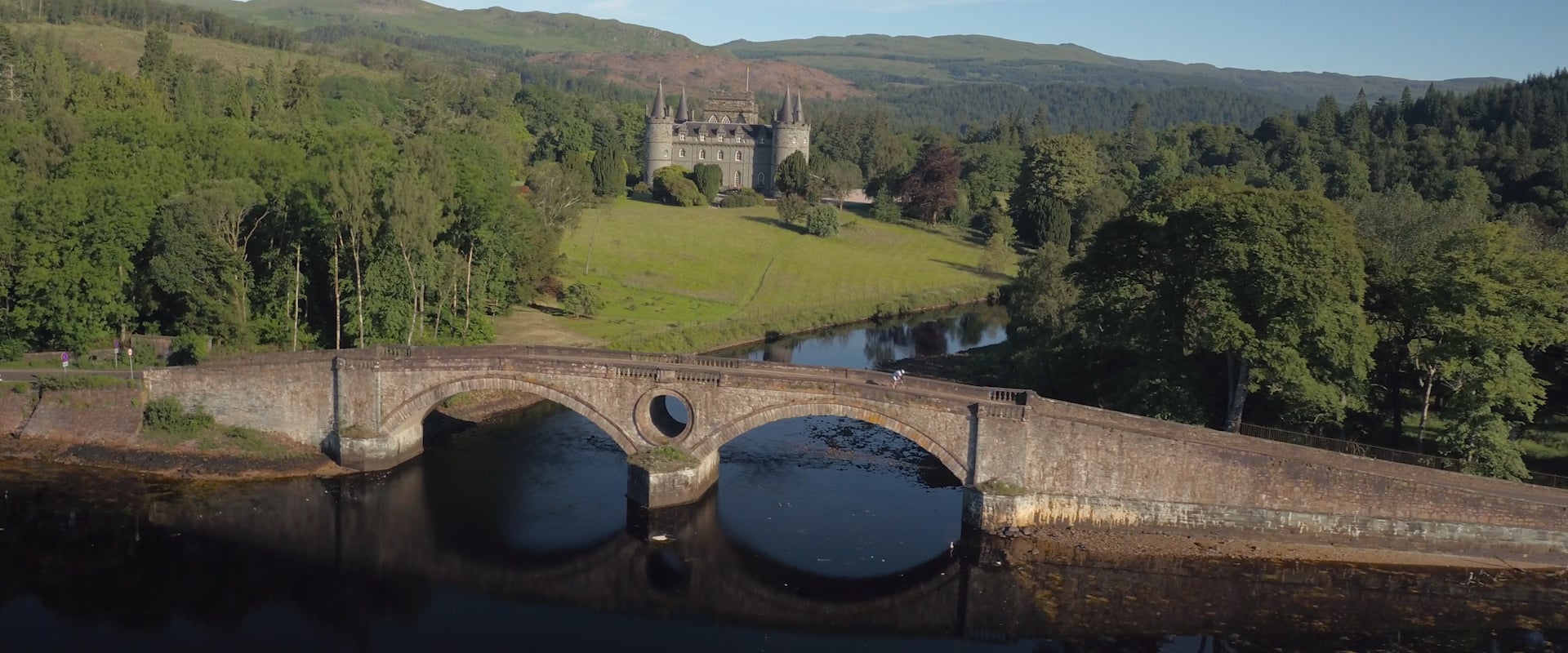
When we produced the West Coast Waters series for Rural Dimensions, the scope, three films with extensive drone work and coastal logistics across the west coast, naturally meant more days than a single brand film, and the budget reflected that. The principle is the same at every scale: the work is quoted to the brief.
Why the cheapest quote rarely wins
It is tempting to compare quotes on headline price alone, but the lowest number is often the most expensive choice in the end. A film that skimps on editing time, rushing the grade, the sound and the finish, looks flat, and a flat film that nobody watches wastes the entire budget. The two-days-of-editing rule exists precisely because that finishing work is what separates an adequate film from a compelling one. Paying for it is paying for the result, not the raw footage.
It is also worth weighing local knowledge. A filmmaker who knows Scotland’s locations, seasons, light and access can capture more in a given number of days, which makes the day-based model work harder for you. Our corporate video production service and the wider portfolio show the standard we hold to across budgets large and small.
How to get an accurate quote
The most useful thing you can do is share a clear brief: your objective, your audience, where the film will be used, your rough budget and any fixed constraints. From that we can estimate the filming and editing days realistically and give you a detailed, all-inclusive quote, and tell you honestly where extra days make a visible difference and where they do not. We would always rather shape the project with you early than quote blind against an incomplete brief.
Frequently asked questions
What is the minimum budget for a professional video in Scotland?
Smaller commissions can start from a half-day shoot (£400) plus an editing day (£650), coming to roughly £1,050 all in, including equipment. A more complete short film from a full filming day works out at around three days in total (filming plus two editing days), roughly £1,950. Hourly rates at £110 per hour are available for focused editing or post-production work on existing footage.
Why does editing cost more than filming?
Because it takes more time. As a rule of thumb one filming day needs about two editing days, and those days include the colour grade, sound design, audio mix and any graphics or visual effects. The finishing work is where a film gains its quality, so it is a substantial part of any honest budget.
Is equipment charged separately?
No. Our day rate includes all equipment: cameras, gimbals, sliders, professional audio and CAA-registered drones. If you have your own footage and only need it finished, our post-production, editing and colour grading service is available on the same day rate without a shoot.