Colour grading for video in Scotland is the step most production pipelines undervalue, and it is also the step that most clearly separates a film with a distinct visual identity from one that merely looks adequate. At Morrocco Media we treat the grade as a creative decision in its own right, made in DaVinci Resolve Studio — the industry standard — and given as much thought as the cinematography that precedes it. This is why it matters, and how the Scottish landscape itself shapes the approach.
Grading is not the same as correcting
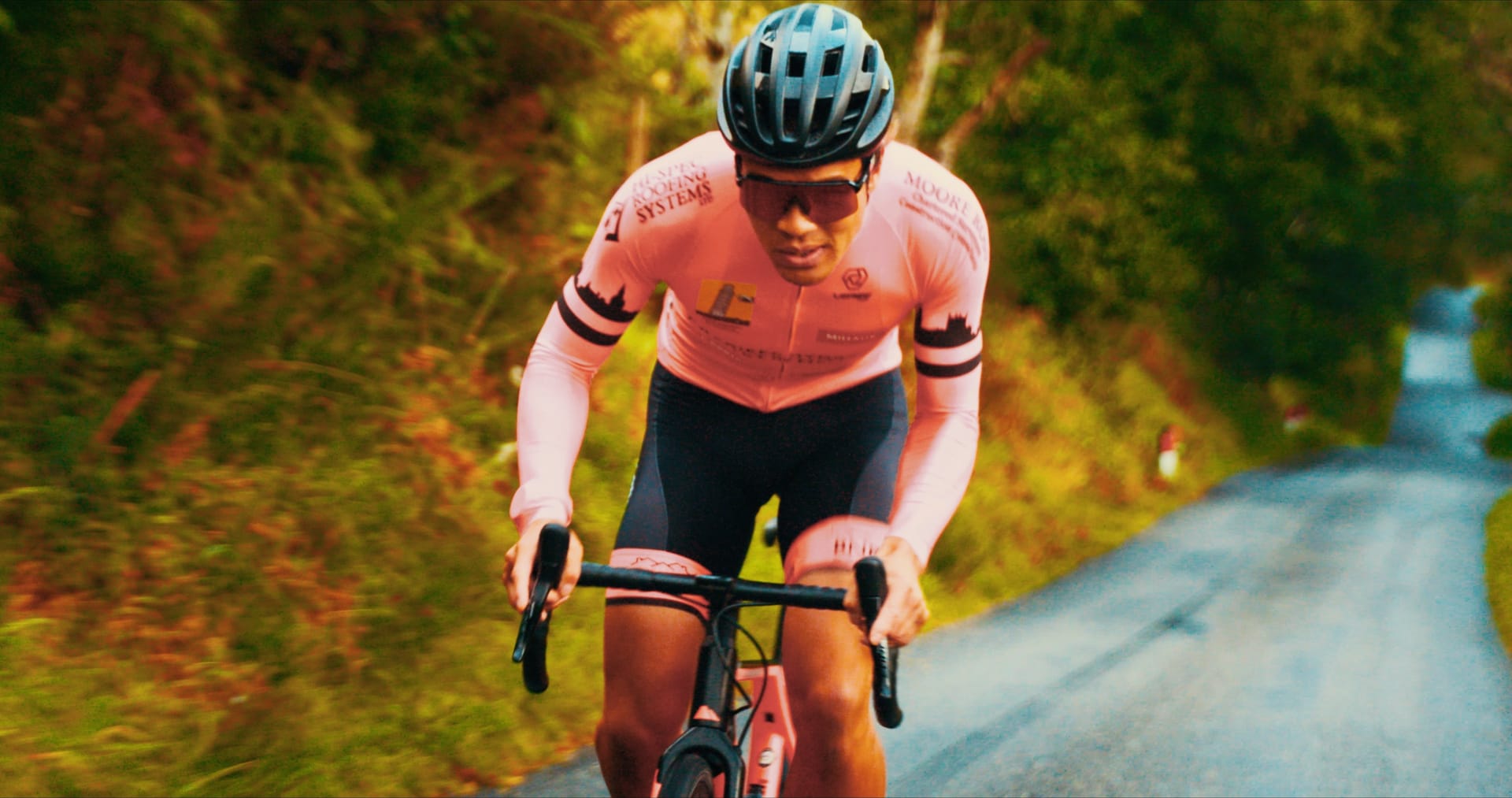
There is a common misconception that colour grading is about fixing problems: balancing exposure, correcting white balance, matching shots filmed in different light. That is colour correction, and it is only the foundation. Grading proper is what happens next — establishing a mood, a consistency between shots, and a relationship between the image and the story it serves. A skilled grade does not just make footage look right; it makes the film feel like something.
The particular challenge of Scottish light
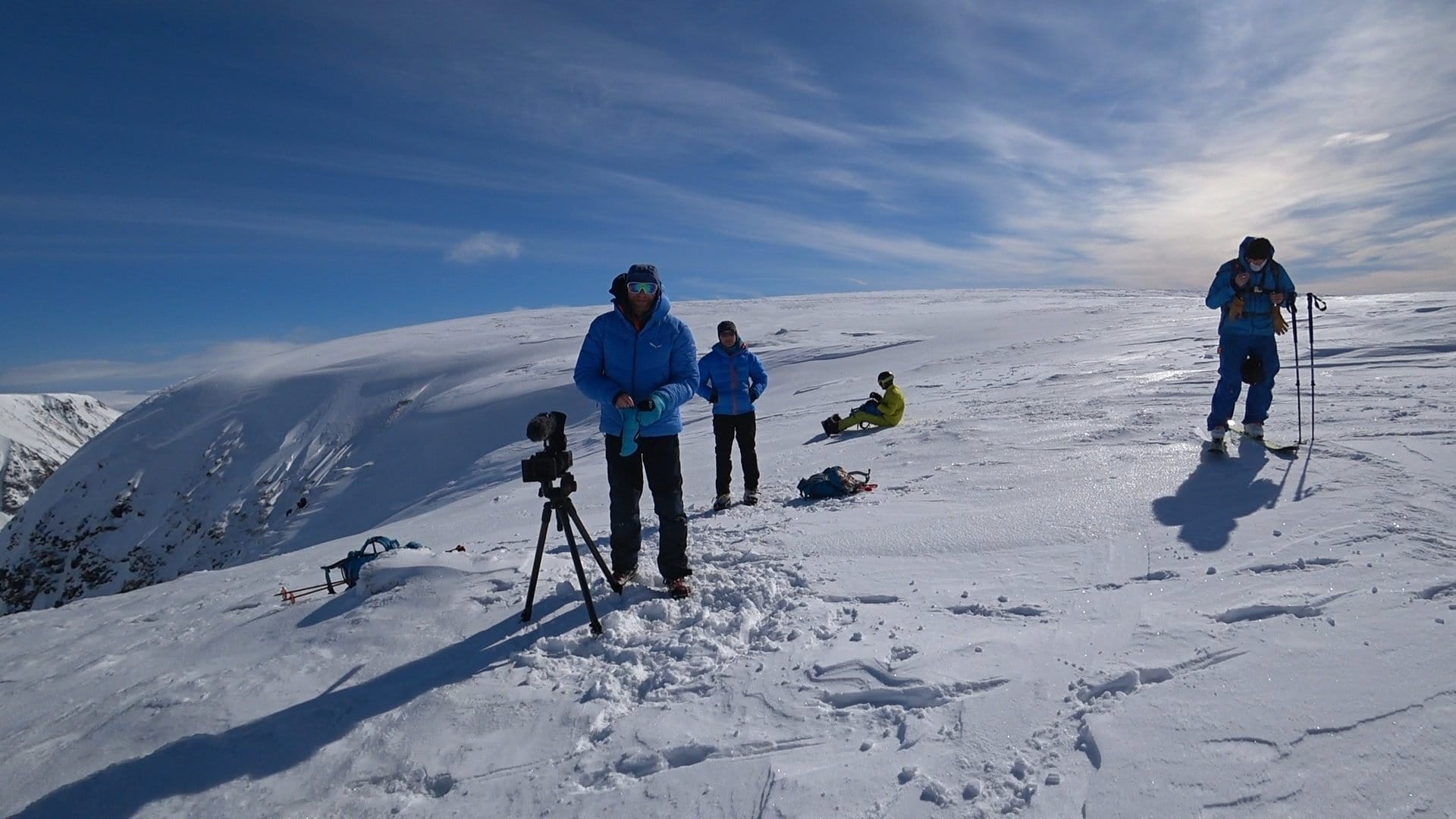
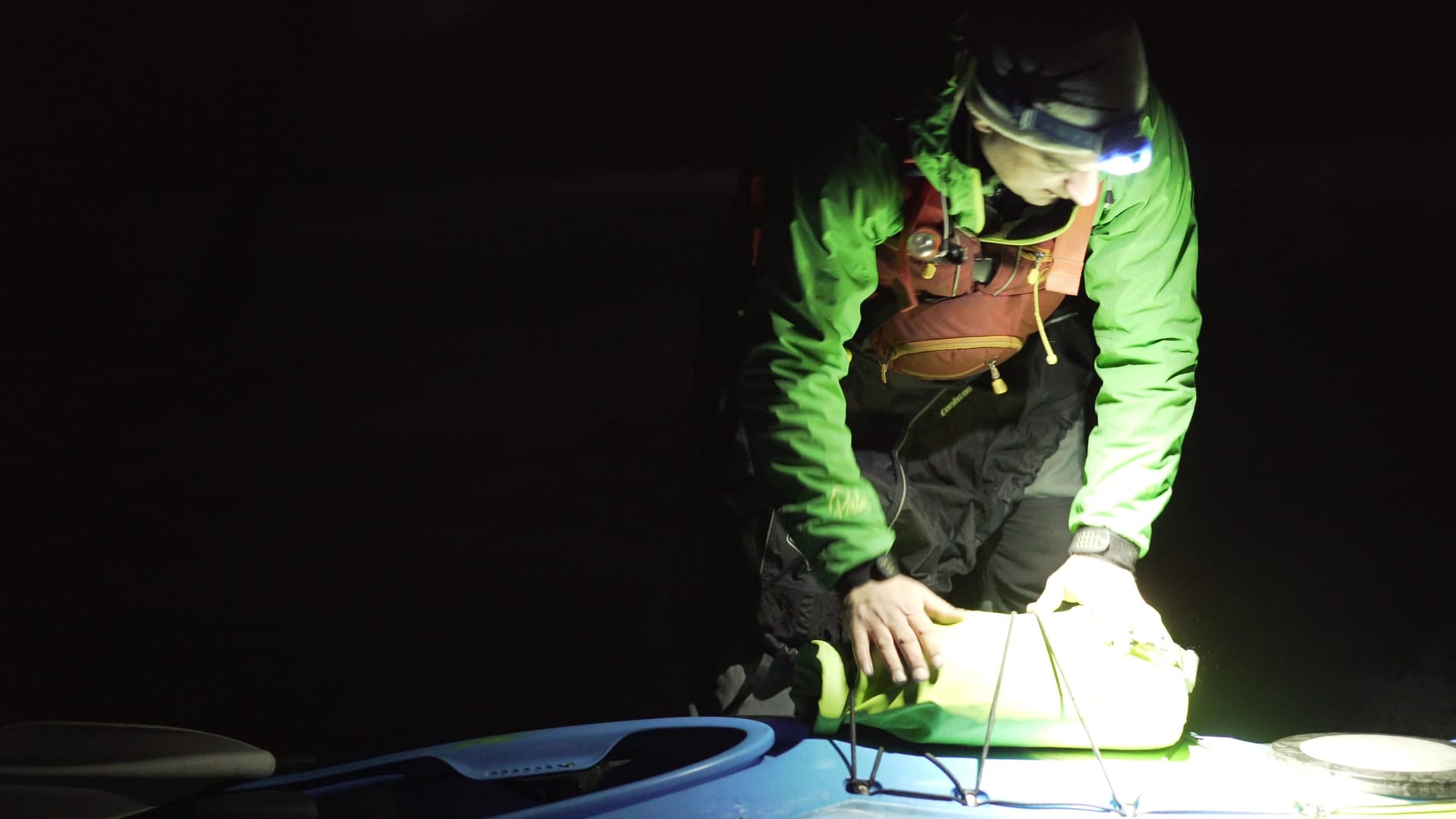
The Scottish landscape has a specific palette, and it is not the saturated, high-contrast look that dominates a lot of outdoor content. Scotland’s colours are subtle: the muted greens and browns of moorland, the silver-grey of a west coast sea, the deep blue-black of a winter loch, the warm ochre of autumn larch. The temptation in the grade is to push these toward something more obviously “epic.” The better instinct is usually to enhance the natural palette without distorting it.
When we graded the Dream Wild campaign film for Wild Scotland, the explicit goal was footage that felt authentic to anyone who had actually been in those environments while remaining immediately compelling to someone who had not. That balance — true to the place, but elevated — is the heart of grading Scottish landscape film.
DaVinci Resolve and a considered workflow
DaVinci Resolve Studio gives a colourist the control to work shot by shot and scene by scene, building a grade that holds together across an entire film even when the footage was captured across different days, seasons and weather. For destination films in particular, this consistency is essential: a tourism film that lurches in tone from shot to shot undermines the sense of a coherent place.
Grading for different delivery contexts
A grade is not a single fixed thing. Footage destined for BBC broadcast has different technical requirements from footage for social media, which is different again from material intended for projection at an event. We have graded for all of these, and each context shapes decisions about contrast, saturation and how the image will read on the screen where it actually lands. A film that looks beautiful on a calibrated monitor but muddy on a phone has failed at the last step.
Why the grade deserves the time
Colour grading is where a film earns its visual identity, and it is worth protecting in both budget and schedule. A corporate video does not need to look like a corporate video; a tourism film does not need to look like every other tourism film. The grade is one of the most powerful tools for ensuring it does not.
Morrocco Media offers grading and editing as a standalone service for clients who already have footage. Our post-production, editing and colour grading service explains how that works.
Frequently asked questions
Can you grade footage I have shot myself?
Yes. Colour grading is available as a standalone service. We regularly grade footage shot by others, working from all major camera platforms and accepting project files from Premiere Pro, Final Cut Pro and DaVinci Resolve. Send the footage and a brief and we will advise on what the grade can achieve.
How long does colour grading take?
It depends on the length of the film and the state of the footage, but grading is not a quick automated pass. A considered grade on a short film typically takes one to several days, balancing shot-to-shot consistency with the creative look the film needs. We treat it as a creative stage in its own right rather than a final tidy-up.
Why is DaVinci Resolve Studio the tool of choice for colour grading?
DaVinci Resolve Studio is the industry standard for colour grading because it gives a colourist precise, shot-by-shot control over the image while keeping an entire film visually coherent. That control matters enormously for Scottish landscape work, where footage is often captured across different days, seasons and weather conditions that have to be unified into a single consistent look. Resolve’s node-based grading, its handling of high-quality footage from every major camera platform, and its broadcast-grade delivery options mean we can take material from a multi-day, multi-location shoot and finish it to a standard suitable for BBC broadcast, national tourism campaigns, social media or event projection. The tool does not create the grade — that is a creative decision — but it gives us the control to realise it fully.