Drone filming in Scotland and the permissions that govern it are among the most common sources of confusion for organisations commissioning aerial footage. The rules are not complicated once you understand them, but they are easy to get wrong, and the consequences of getting them wrong range from a wasted shoot day to a serious safety or legal breach. This is a practical overview of what commercial drone filming in Scotland actually involves.
CAA registration and operator authorisation
All commercial drone work in the UK is regulated by the Civil Aviation Authority (CAA). For the kind of aerial cinematography used in tourism and corporate films, operators need to be registered with the CAA and hold the appropriate operational authorisation for the category of flight being undertaken. At Morrocco Media, all aerial work is carried out by fully trained and CAA-registered operators, and we manage the regulatory requirements as part of our standard service. A commissioning client should never have to navigate the CAA framework themselves — that is the production company’s job.
Restricted airspace and flight restrictions
Scotland has a great deal of controlled and restricted airspace. Proximity to airports and airfields, military zones, and temporary flight restrictions can all affect whether and how a drone can be flown at a given location. Edinburgh, Glasgow, Inverness and Aberdeen all sit within controlled airspace, and many rural areas have restrictions that are not obvious from the ground. Planning an aerial shoot means checking airspace well in advance and, where necessary, arranging the relevant notifications or permissions.
National Parks and land permissions
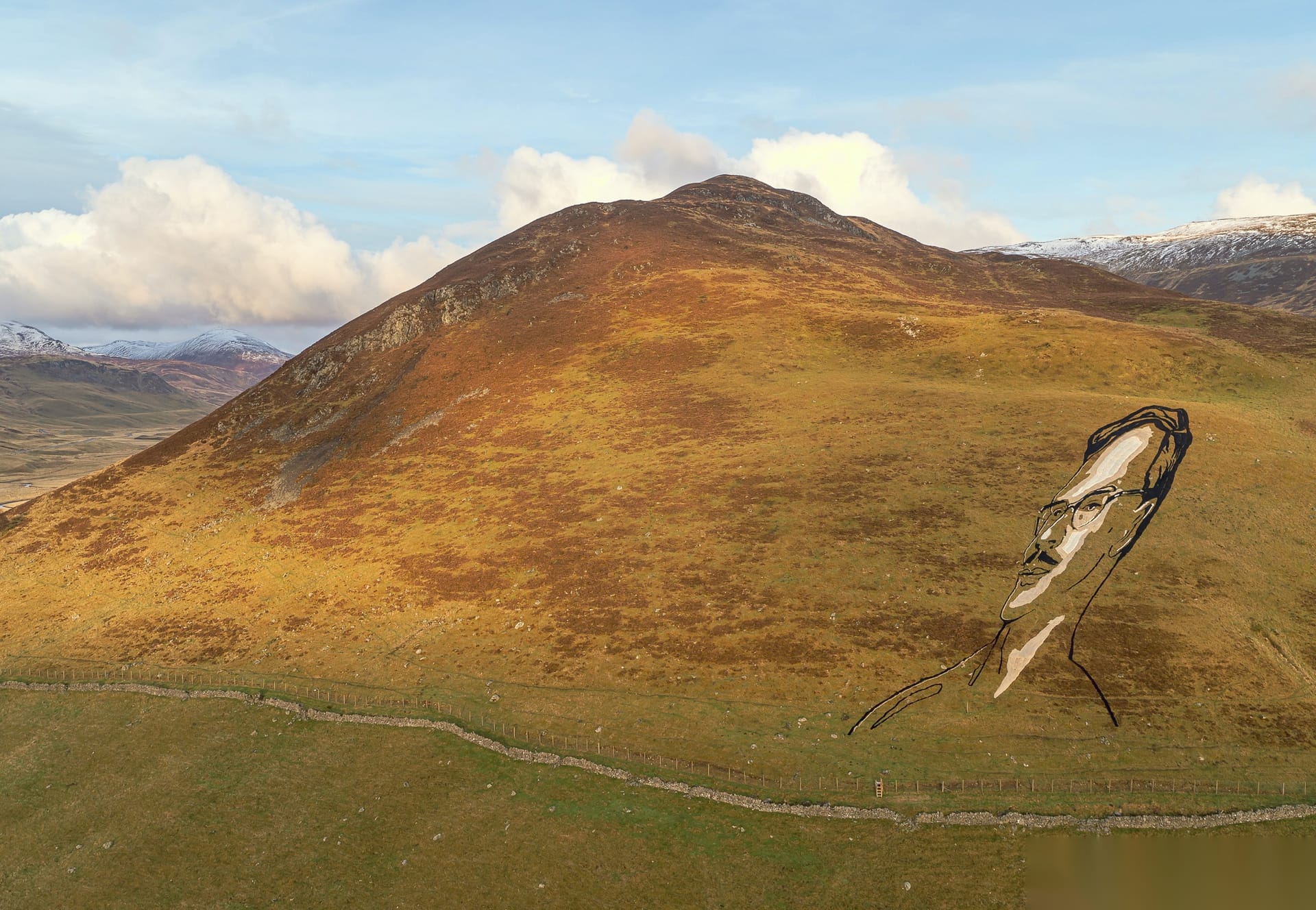
The Cairngorms National Park and Loch Lomond and the Trossachs National Park both have their own considerations, and landowners — whether private estates, the National Trust for Scotland, or public bodies — may require permission for take-off and landing on their land even where the airspace itself is unrestricted. This is a frequent stumbling block. Securing land permissions is a separate process from airspace compliance, and both need to be in place.
Coastal and island filming
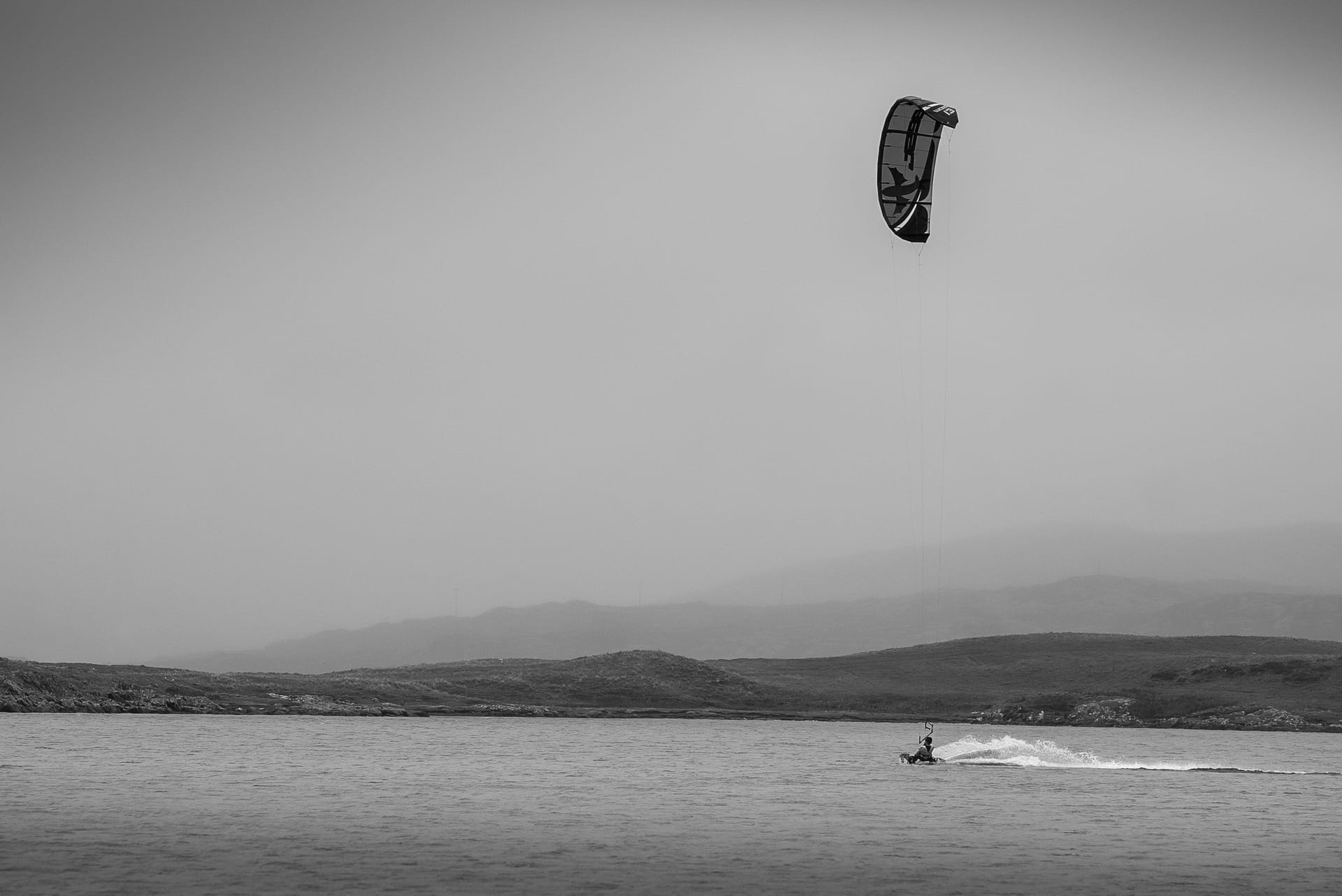
Much of Scotland’s most striking aerial footage comes from the coast and islands. When we filmed West Coast Waters for Rural Dimensions, drone footage was central to capturing the geometry of the coastline and the relationship between sea, islands and land. But coastal and island flying brings its own variables: wind is a near-constant factor, salt air affects equipment, and weather windows can be short. We have flown extensively in the Outer Hebrides, where wind is the defining condition, and that experience shapes how we plan coastal aerial work.
Equipment and conditions
Our drones shoot in 4K and above with stabilised gimbals that hold up in conditions which would ground less capable equipment. That capability matters in Scotland, where the difference between getting the shot and abandoning the day often comes down to how much wind the aircraft can handle safely.
Planning an aerial shoot that delivers
The most effective aerial filming is integrated into a wider production rather than treated as an add-on. Combining drone footage with ground-level cinematography creates the scale and context that makes landscape films immersive. For clients who need aerial footage alone, a dedicated drone day with full editing and delivery is also worth considering.
Our aerial filming and drone cinematography service sets out how we handle permissions, planning and delivery for aerial work across Scotland.
Frequently asked questions
How far in advance should a drone shoot be planned?
Aerial shoots benefit from as much notice as possible. Airspace checks, any required notifications and landowner permissions all take time, and weather windows in Scotland are unpredictable enough that flexibility in the schedule is valuable. A few weeks is comfortable for most shoots; complex or restricted locations may need longer.
Can drones be flown in bad weather?
Within limits. Our aircraft and stabilised gimbals handle wind and conditions that would ground less capable equipment, which matters on the Argyll coast and in the Outer Hebrides. But safety and footage quality both have thresholds, and part of professional drone operation is knowing when not to fly and rescheduling accordingly.
What is the difference between airspace permission and landowner permission?
They are two separate things, and a legal drone shoot in Scotland usually needs both. Airspace permission concerns whether the aircraft can be flown in a given location under Civil Aviation Authority rules, taking account of controlled airspace around airports, military zones and any temporary restrictions. Landowner permission concerns the ground: whether you are allowed to take off, land and operate from a particular piece of land, which may be a private estate, a National Trust for Scotland property or public ground. It is entirely possible to have clear airspace but no right to launch from the spot you need, or vice versa. We manage both as part of our standard service, so commissioning clients never have to untangle the two themselves.