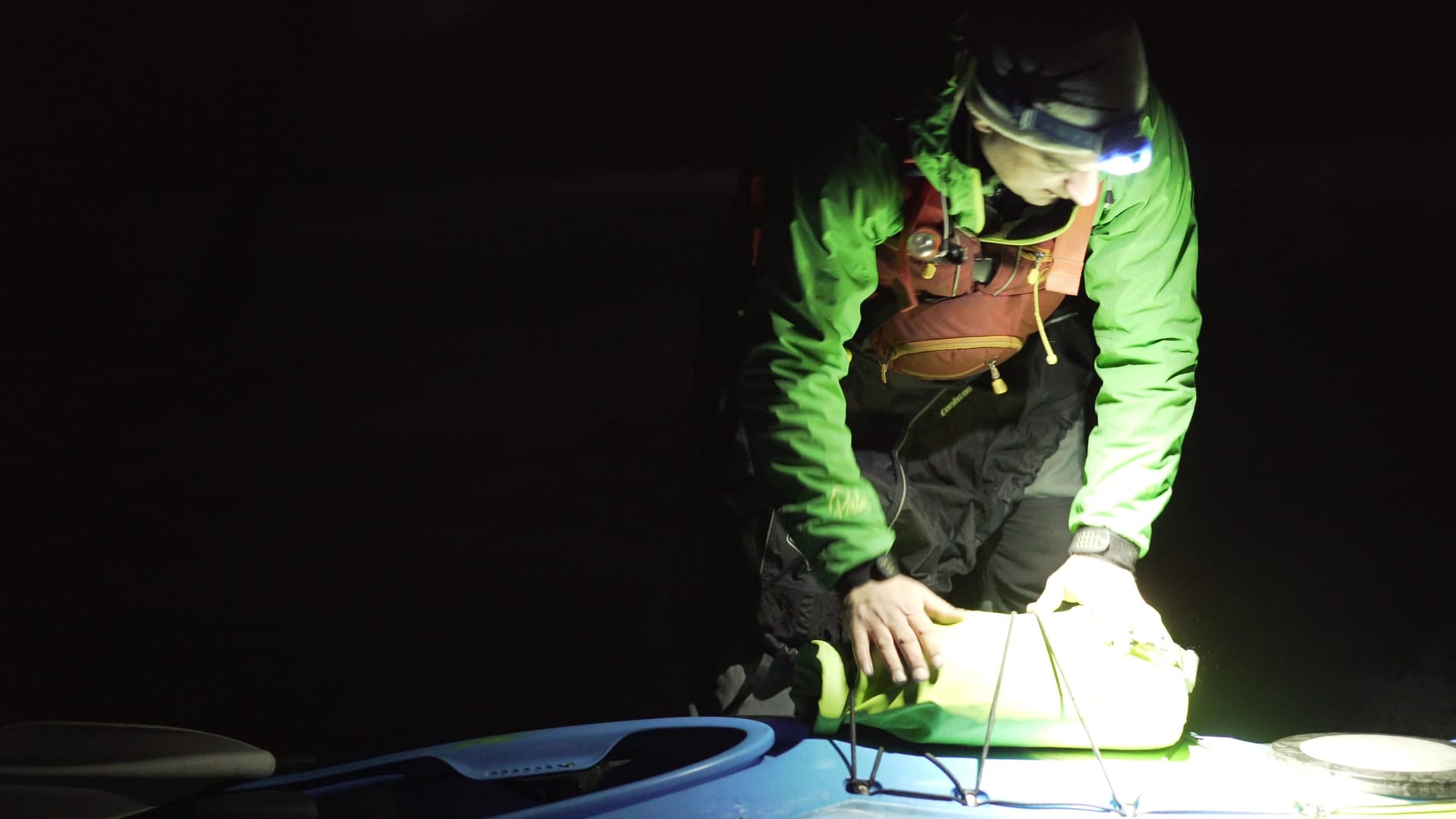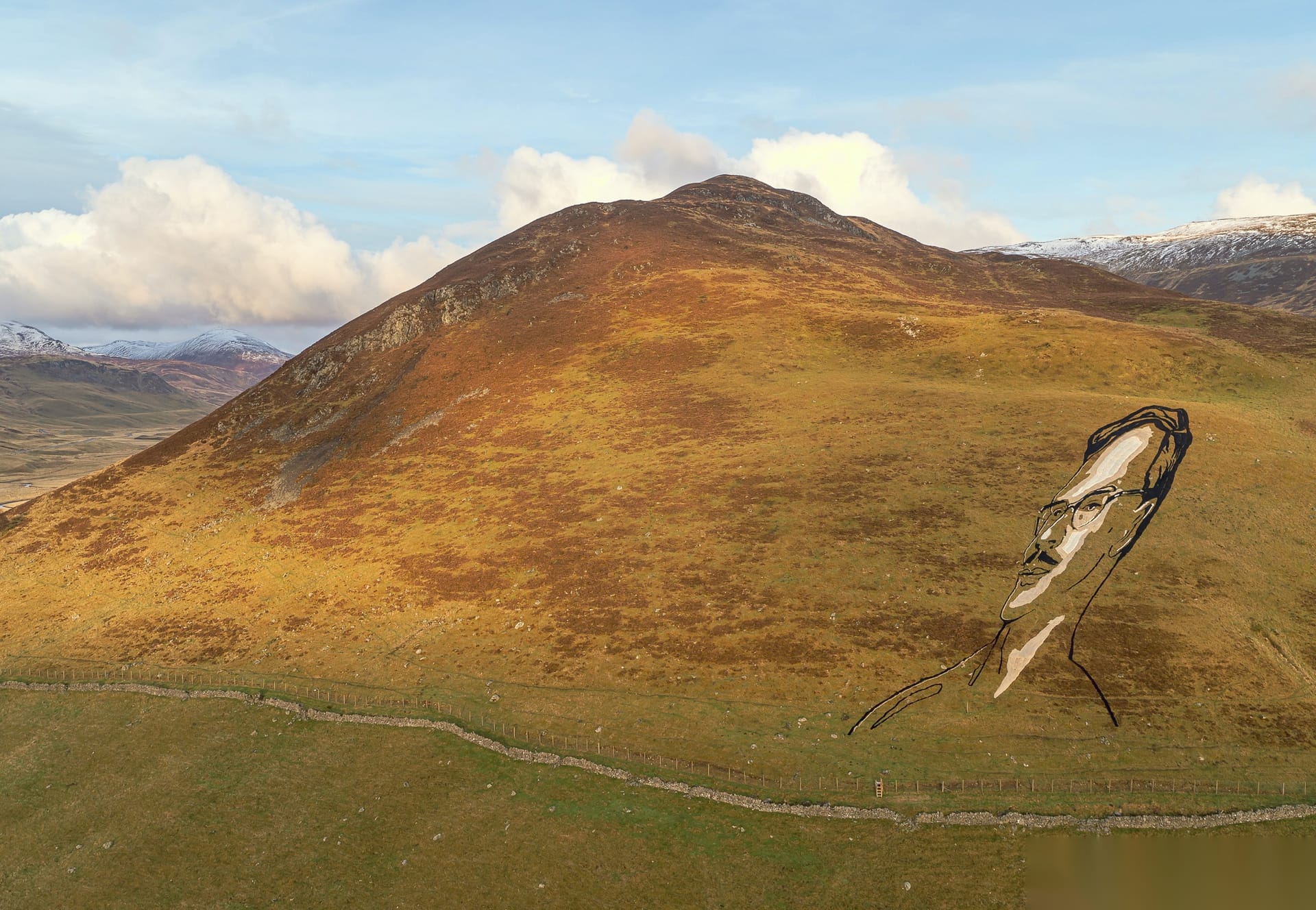
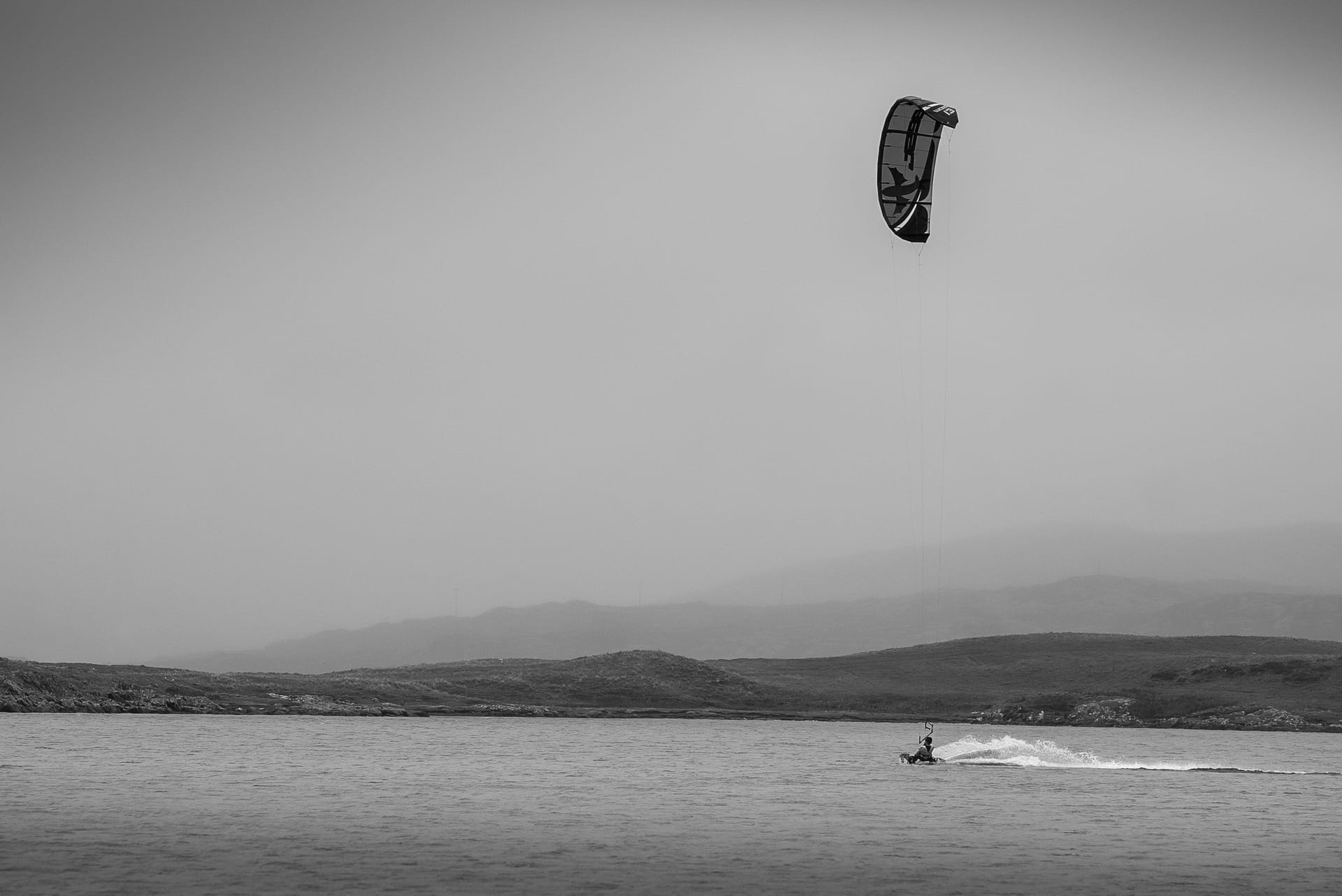
Filming in Argyll is, for our money, some of the most rewarding work available anywhere in Scotland — and also some of the most demanding. Argyll and the Isles is a vast region of sea lochs, peninsulas and islands stretching down Scotland’s west coast, and it has been central to a great deal of Morrocco Media’s work, from the Wild About Argyll campaign to the West Coast Waters series. This is a filmmaker’s guide to the region: where to film, how to get there, and why patience is the most important piece of kit you can bring.
The shape of Argyll
Argyll’s defining feature is water. The region is fragmented by sea lochs and scattered into islands, which means that geography dictates logistics in a way it does not elsewhere. The Kintyre peninsula reaches far to the south; Islay and Jura sit off the coast with their own distinct characters; Mull, the Cowal peninsula and the countless smaller islands each add something. This fragmentation is exactly what makes the region cinematic — the constant interplay of land, sea and sky — but it also means shoots require careful planning around ferries and driving times.
Access and permits
Much of Argyll is accessible, but island filming adds ferry logistics that shape the entire shoot schedule. Sailings are limited, weather can disrupt them, and a missed ferry can cost a day. Private estates, community-owned land and conservation areas may require permissions, and these are worth arranging well ahead. Working with local operators and tourism bodies — as we did throughout the West Coast Waters project for Rural Dimensions — smooths access considerably and brings local knowledge that no map provides.
The quality of Atlantic light
The west coast light is the reason to film in Argyll. The Atlantic weather systems that make the region challenging also produce its most extraordinary conditions: fast-moving cloud, shafts of low sun breaking across a sea loch, the silver sheen of the water under an overcast sky. This is not reliable light. It comes and goes, and the only way to capture it is to be there when it happens and to wait when it does not.
Why patience is the key skill
This is the heart of filming in Argyll. The filmmaker who arrives with a fixed shot list and a single shoot day will often leave disappointed, because the region does not perform on demand. The filmmaker who builds in flexibility — who can return to a location when the forecast turns, who treats a closed weather window as information rather than failure — comes away with footage that justifies the effort many times over. Our entire approach to landscape and coastal work in Argyll is built on this principle.
Seasons in Argyll
The shoulder seasons and winter often produce the most dramatic Argyll footage, when the light is low and the weather is at its most expressive. Summer offers easier access and longer days but flatter light. Spring brings fresh colour to the hills and woods. Whatever the season, the region’s maritime climate means conditions change quickly, which is both the challenge and the opportunity.
Bringing it together
Argyll rewards filmmakers who know it, respect its logistics and have the patience to wait for its light. That combination of local knowledge and flexibility is what has allowed us to keep producing distinctive work here across many years and campaigns.
If you are planning a production in Argyll or the wider west coast, our tourism video production service explains how we approach destination filming in the region.
Frequently asked questions
How do ferries affect filming schedules in Argyll?
Significantly. Island filming in Argyll is built around ferry timetables, and sailings can be limited or disrupted by weather. A missed ferry can cost a day, so schedules need to be planned carefully around crossings, with contingency built in. Local knowledge and good relationships with operators make a real difference here.
Is Argyll suitable for filming year-round?
Yes, though the character changes with the season. The shoulder seasons and winter often deliver the most dramatic Atlantic light, while summer offers easier access and longer days. Whatever the time of year, Argyll’s maritime weather changes quickly, which is both the challenge and the opportunity for a patient crew.
What is the single most important skill for filming in Argyll well?
Patience, closely followed by flexibility. Argyll does not perform on demand. Its most extraordinary conditions — shafts of low sun across a sea loch, fast-moving Atlantic cloud, the silver light on the water under an overcast sky — come and go and cannot be scheduled. The filmmaker who arrives with a rigid shot list and a single shoot day will often leave disappointed, while the one who can return when the forecast turns, treat a closed weather window as information rather than failure, and wait for the light comes away with footage that justifies the effort many times over. Everything else — knowing the locations, managing ferry logistics, securing permissions — supports that core discipline of being ready when Argyll finally delivers.