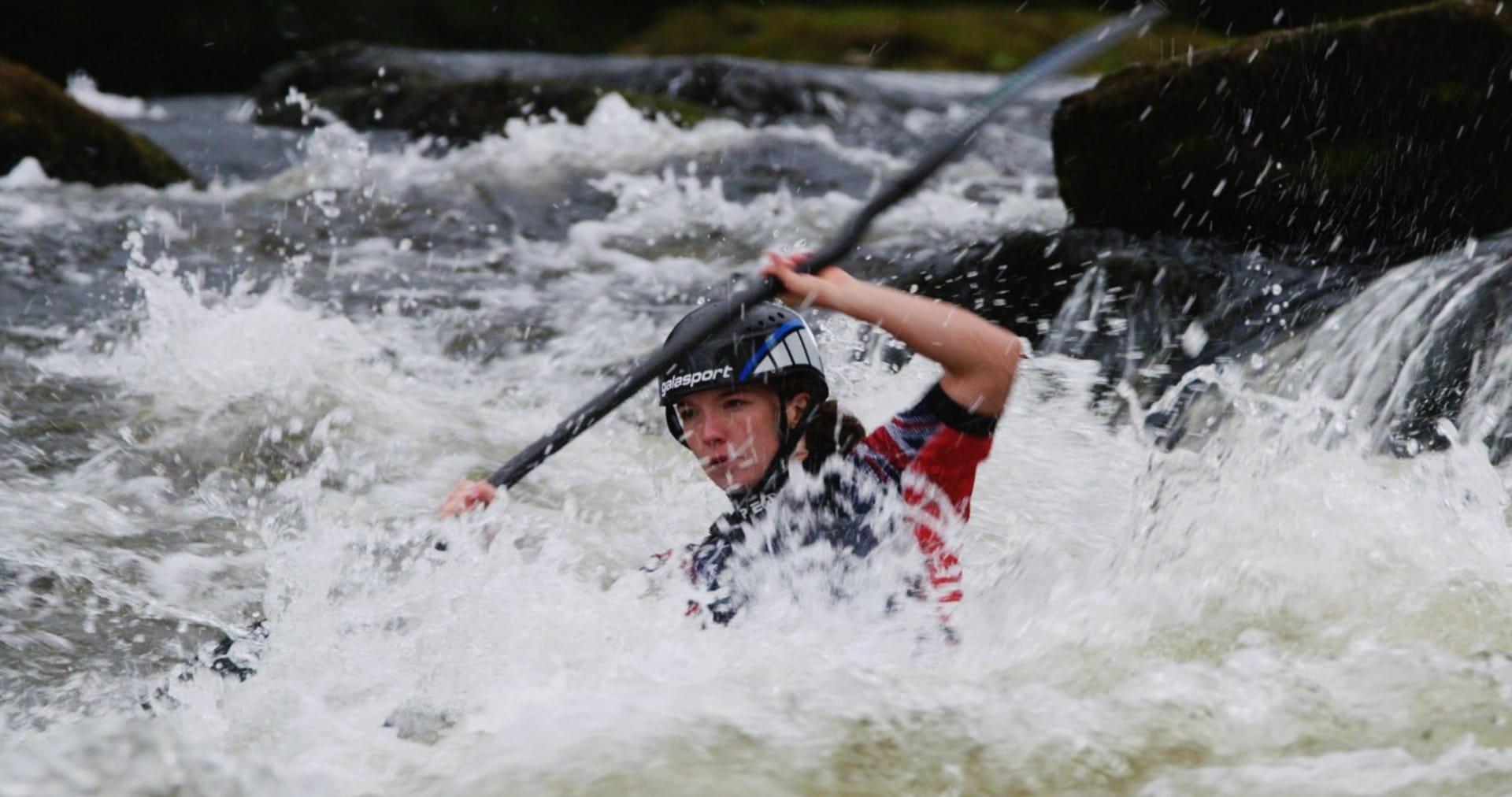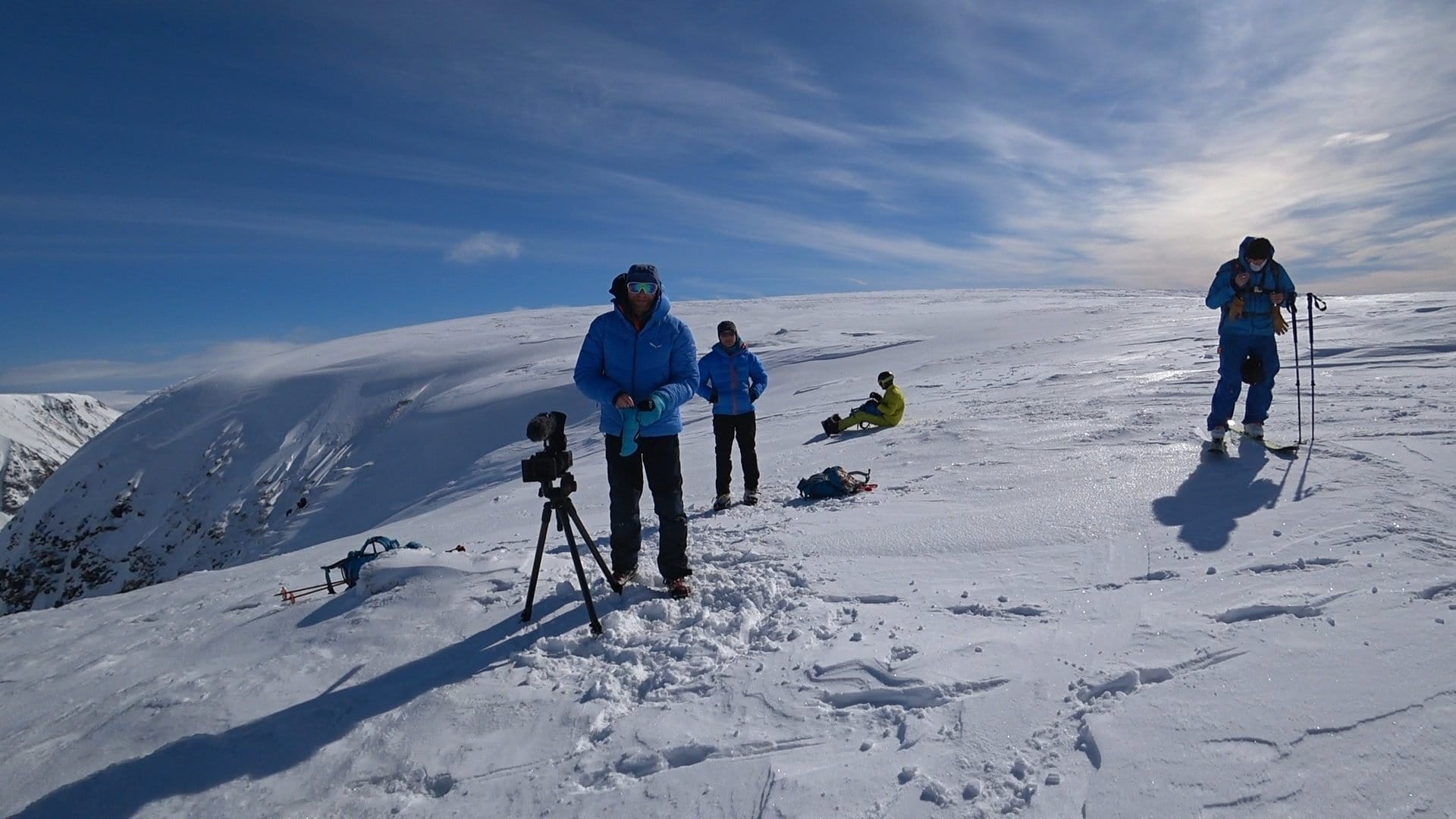
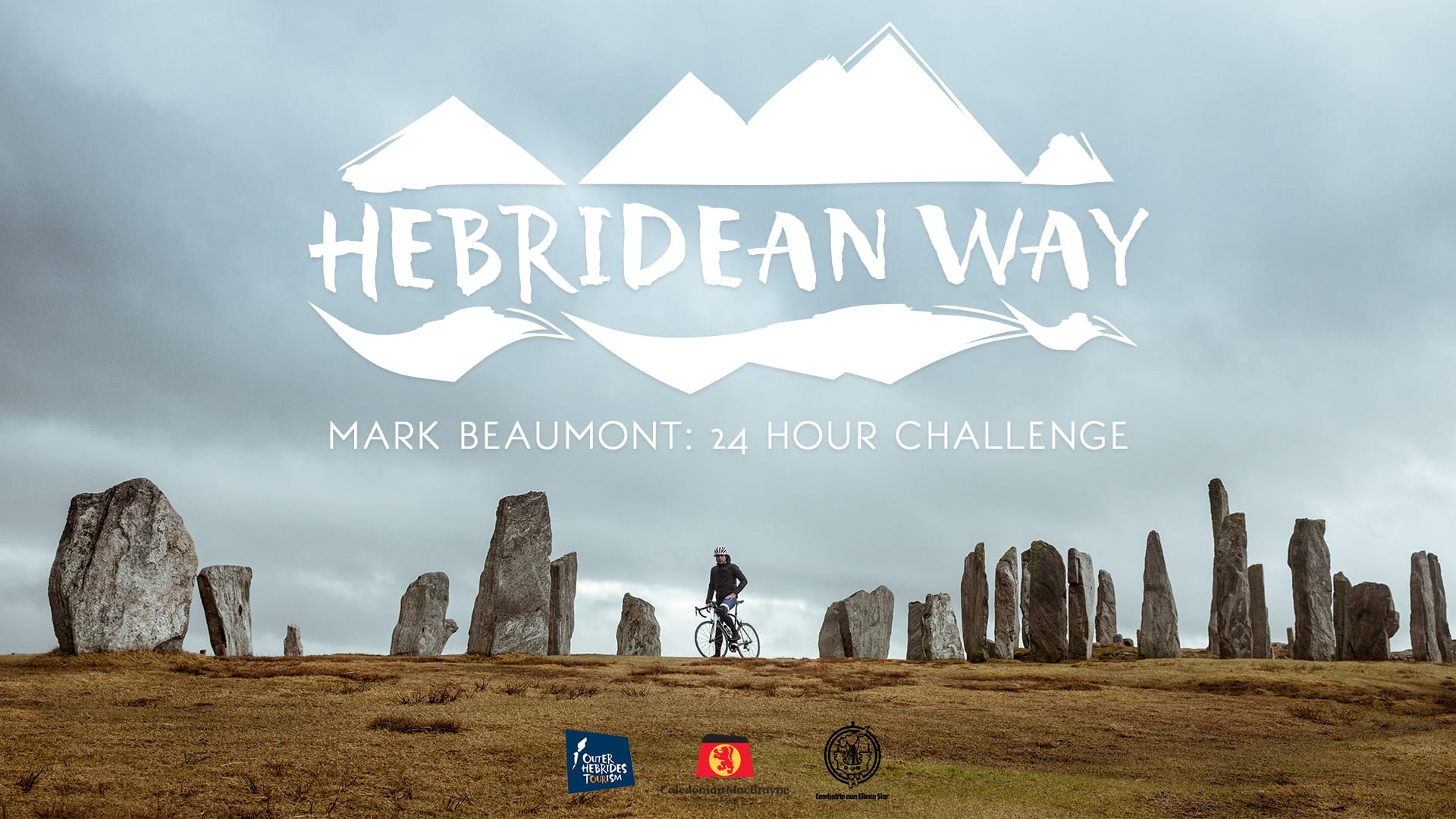
Filming the Hebridean Way cycling film with Mark Beaumont remains one of the most demanding and rewarding productions we have undertaken. The brief was deceptively simple: document Mark’s attempt to ride the full 185-mile length of the Outer Hebrides — from Vatersay in the south to the Butt of Lewis in the north — in under 24 hours. Delivering on it meant solving a series of problems that no amount of studio experience prepares you for. This is what we learned. The full story is told in our HebWay case study.
A single, unrepeatable take
The defining feature of a 24-hour challenge is that it happens once. There is no second attempt, no reshoot, no chance to recover a missed moment the following morning. Everything that mattered — the start in the dark, the long causeway crossings, the deterioration of the rider as the hours stacked up, the finish at the Butt of Lewis — had to be captured the first time or not at all. That single-take pressure governs every production decision.
Moving faster than the athlete
To film a moving athlete across that distance, the crew has to be able to get ahead. That meant constantly leapfrogging Mark on the road: driving past, setting up at a chosen point, capturing him as he came through, then packing down and repeating. Doing this for 24 hours, across the logistics of island-hopping by causeway and ferry, demanded a small, self-sufficient crew who could make decisions instantly without waiting for instructions. A larger crew would have been slower, not faster.
Using the landscape to tell the story
The Outer Hebrides are extraordinary, and the film had to do them justice while keeping the human effort at its centre. Drone footage established the epic scale — the long straight causeways, the Atlantic coastline, the machair of the Western Isles, and the distinctive quality of Hebridean light as it shifted from night to day and back toward dusk. Ground-level footage stayed close to Mark, focusing on his physical state and the drama of pushing through a situation that only got harder.
Reading the rider
This is where understanding sport from the inside became practical rather than theoretical. Knowing what a sustained ultra-endurance effort does to a rider meant we could anticipate the hard moments and be positioned for them, rather than reacting after they had passed. The most powerful footage in the film is not the scenery; it is Mark, and the cost of what he was doing written on him.
Logistics as a creative constraint
Ferry timetables, fuel, food, charging batteries, managing data, and simply staying awake and functional for a full day and night — these unglamorous logistics are the real backbone of an adventure shoot. Get them wrong and the creative work becomes impossible. We have always treated this kind of field self-sufficiency as a core skill, not an afterthought, and the HebWay is the clearest example of why it matters.
The result
The finished film became a flagship marketing asset for Outer Hebrides Tourism, combining the credibility of Mark Beaumont’s profile with destination footage that no standard tourism production could replicate. It demonstrated the Outer Hebrides as a world-class cycling destination while carrying the weight of a genuine human challenge.
If you are planning an adventure or endurance sport film, our sport and adventure filmmaking service describes how we approach this kind of work.
Frequently asked questions
How many people were in the crew for the HebWay film?
It was a deliberately small, self-sufficient crew. A 24-hour challenge across 185 miles of islands rewards a team that can move and make decisions instantly, so a compact crew was an advantage rather than a compromise. Thanks are due to Kieran Duncan and Euan Ryan for their assistance with filming and graphics.
Can you produce a similar film for another endurance challenge?
Yes. Filming sustained endurance efforts in remote terrain is a core specialism. Whether it is a cycling record, an ultra-distance run or a multi-day expedition, the same disciplines apply: reading the athlete, getting ahead of the action, and operating self-sufficiently in demanding conditions.
What makes filming a one-take endurance event so different from a normal shoot?
The absence of a second chance changes everything. On a normal production you can reset, reshoot and recover a missed moment the next morning. On a 24-hour record attempt across 185 miles of the Outer Hebrides, the event happens once and the camera has to be in the right place every time it matters — the start in the dark, the long causeway crossings, the rider’s decline through the hardest hours, the finish at the Butt of Lewis. That demands constant anticipation, relentless logistics around fuel, ferries, food and power, and a crew that can keep functioning for a full day and night without losing judgement. It is unforgiving, which is precisely why getting it right is so satisfying and why the resulting film carries such weight.