Most discussion of sport videography in Scotland focuses on kit: which camera, which lens, which stabiliser, how many frames per second. Those things matter, but they are not what separates sport footage that works from sport footage that does not. The difference is knowledge of the sport itself — and that is something I learned not behind a camera but in front of a results screen, working as a performance analyst on the UCI Mountain Bike World Cup circuit.
What a performance analyst actually does
Before I made my living filming sport, I spent years studying it analytically. A performance analyst breaks down movement, reads races, and identifies the micro-decisions that separate a podium finish from a mid-field result. You learn to see what an athlete is about to do before they do it: how a rider sets up for a technical section, where a race is won and lost, what a body looks like in the moments before it commits to a difficult line.
That training rewires how you watch sport. You stop reacting and start anticipating. And when you turn a camera on athletes with that habit of mind, the footage changes completely.
Anticipation is the whole game
The single biggest weakness in amateur sport filming is that the camera is always a beat behind. The operator reacts to the action, which means they capture the aftermath rather than the moment. Sport filmed by someone who understands it from the inside is different: the camera is already where it needs to be because the operator knew what was coming.
When we filmed Mark Beaumont riding the Hebridean Way in 24 hours, this was the entire production discipline. Filming a sustained athletic effort across 185 miles of the Outer Hebrides meant constantly reading where Mark was in his ride — physically and mentally — and positioning ahead of the decisive moments rather than chasing them. You cannot do that without understanding what the effort actually costs.
Reading the athlete, not just the action
There is a human dimension to this too. The most compelling sport footage is rarely the action shot; it is the face, the body language, the moment of doubt or commitment. Knowing sport from the inside means knowing when those moments are coming and giving them room. It also means earning the trust of the athletes you film, because they can tell immediately whether the person behind the camera understands what they are doing.
Why this matters for sport videography in Scotland
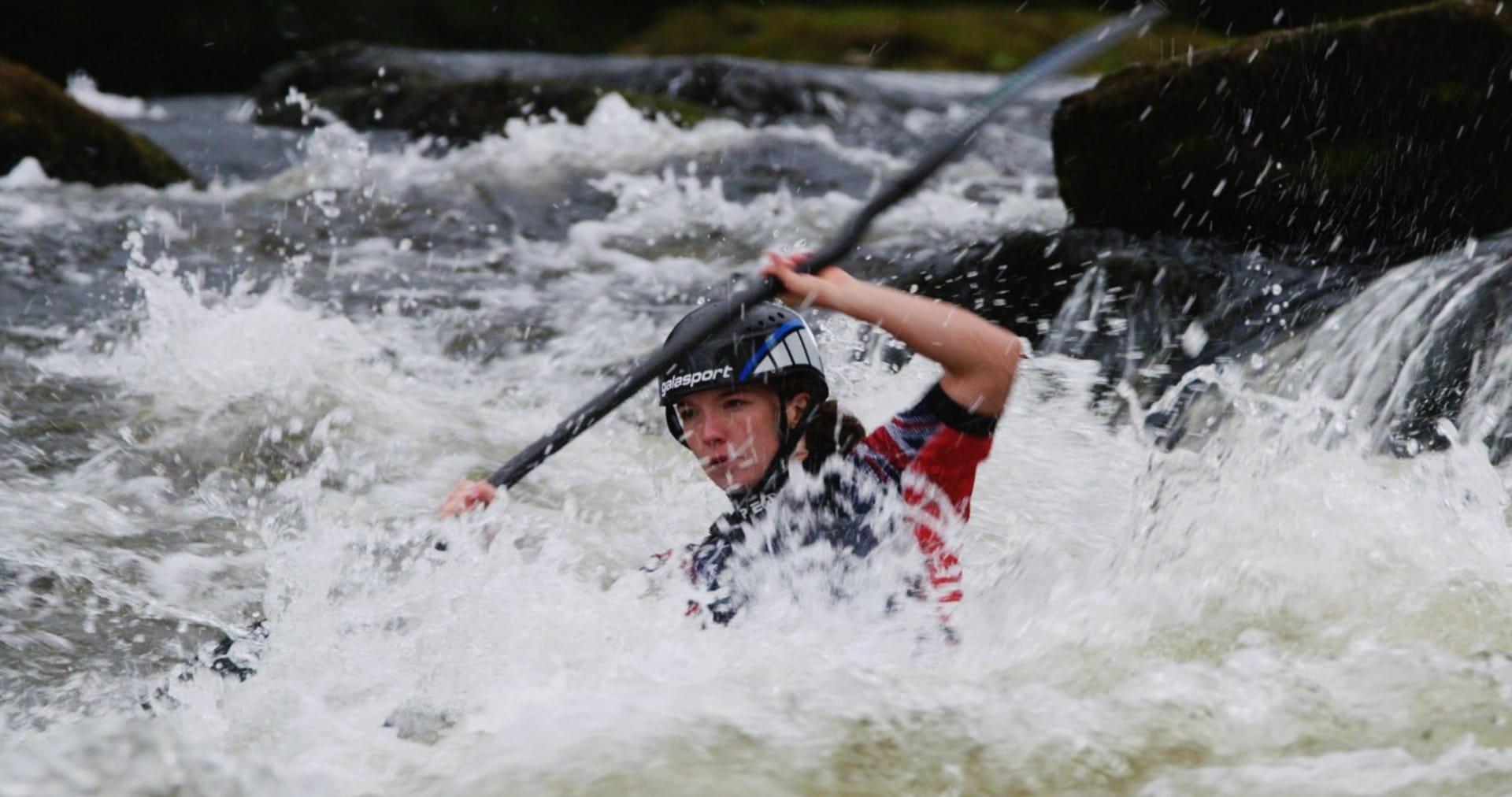
Scotland is an exceptional environment for sport and adventure filmmaking — mountain biking, ski mountaineering, trail running, climbing and cycling all happen here in landscapes that add drama to any frame. But the landscape is not enough on its own. Our clients in this space, including the BBC, Scottish Rugby, British Cycling and Scottish Cycling, work with us because we bring the analytical and athletic understanding that lets us film their sport accurately and with feeling.
The crew has to be able to get there
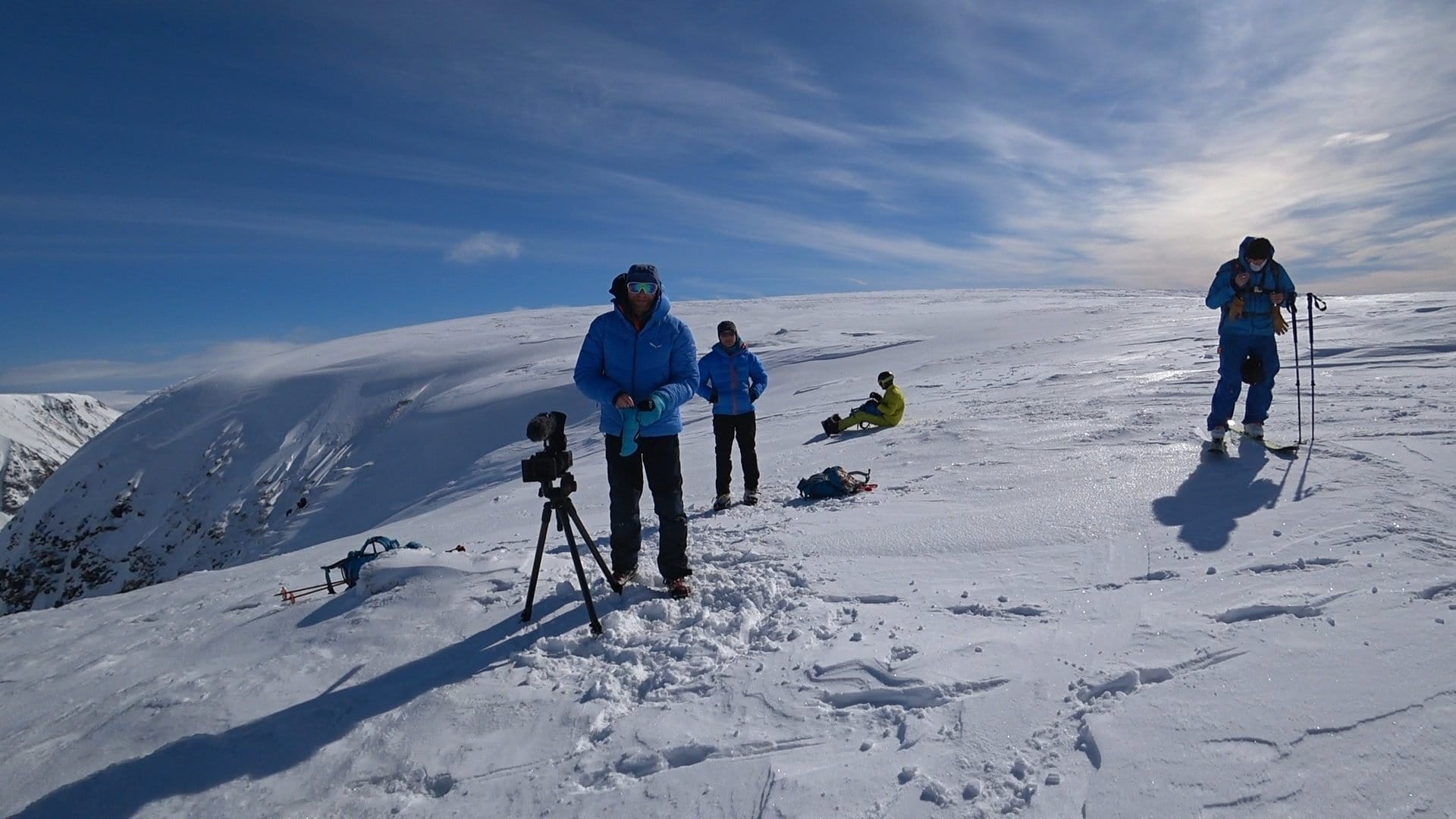
Finally, sport and adventure filming in Scotland demands a crew that can operate in demanding outdoor conditions without being guided to locations or briefed on how the sport works. That self-sufficiency is not a luxury; on a two-day mountain shoot where conditions change every hour, it is the difference between getting the film and missing it.
If you are planning a sport or adventure production, our sport and adventure filmmaking service explains how this background shapes the work we do.
Frequently asked questions
Can you film live sporting events to broadcast standard?
Yes. We have filmed in competition environments with strict broadcast specifications for clients including the BBC, Scottish Rugby and British Cycling. Understanding both the sport and the broadcast requirements means we can capture the decisive moments cleanly while meeting technical delivery standards.
Do you film individual athletes as well as organisations?
We do. Alongside governing bodies and event organisers, we work with individual athletes on personal brand content and sponsor films. The same principle applies: filming an athlete well depends on understanding their sport from the inside, not just owning a long lens.
What does “filming sport from the inside” mean in practice on a shoot?
In practice it changes where the camera is and when it rolls. An operator who understands a sport is positioned for the decisive moment before it happens rather than reacting to it afterwards, so the footage captures the action at its peak instead of its aftermath. It also shapes the relationship with the athletes: when the people on camera can tell the filmmaker genuinely understands what they are doing, they trust the process and perform naturally rather than self-consciously. And it informs the edit, because someone who reads the sport knows which moments carry the real drama. None of this comes from equipment; it comes from years spent analysing and participating in sport, which is exactly the background behind Morrocco Media’s work in this field.