Knowing how to commission a tourism video in Scotland is a skill in itself, and it is one most tourism businesses only exercise occasionally. Yet the quality of the commissioning process largely determines the quality of the film. A clear brief and a good working relationship with the production company will produce better results than a large budget spent badly. Here is a step-by-step guide for tourism businesses, accommodation providers and destination organisations.
Step one: define the objective before anything else
The first question is not “what should the film show” but “what should the film do.” A film designed to attract first-time visitors to a region is a different film from one designed to convert browsers into bookings on your website, which is different again from one designed to raise the profile of a destination among travel trade buyers. Be honest and specific about the objective, because everything else flows from it.
Step two: write a brief that gives direction without dictating
A good brief sets out the objective, the audience, the key messages and any practical constraints — budget, deadline, locations, people who must or must not appear. What it should not do is over-specify the creative execution. The value of a professional production company lies partly in its creative judgement; a brief that dictates every shot leaves no room for that. The most productive briefs we receive describe the destination and what is true about it, and trust the filmmaker to find the way to express it.
Step three: choose a production partner who knows Scotland
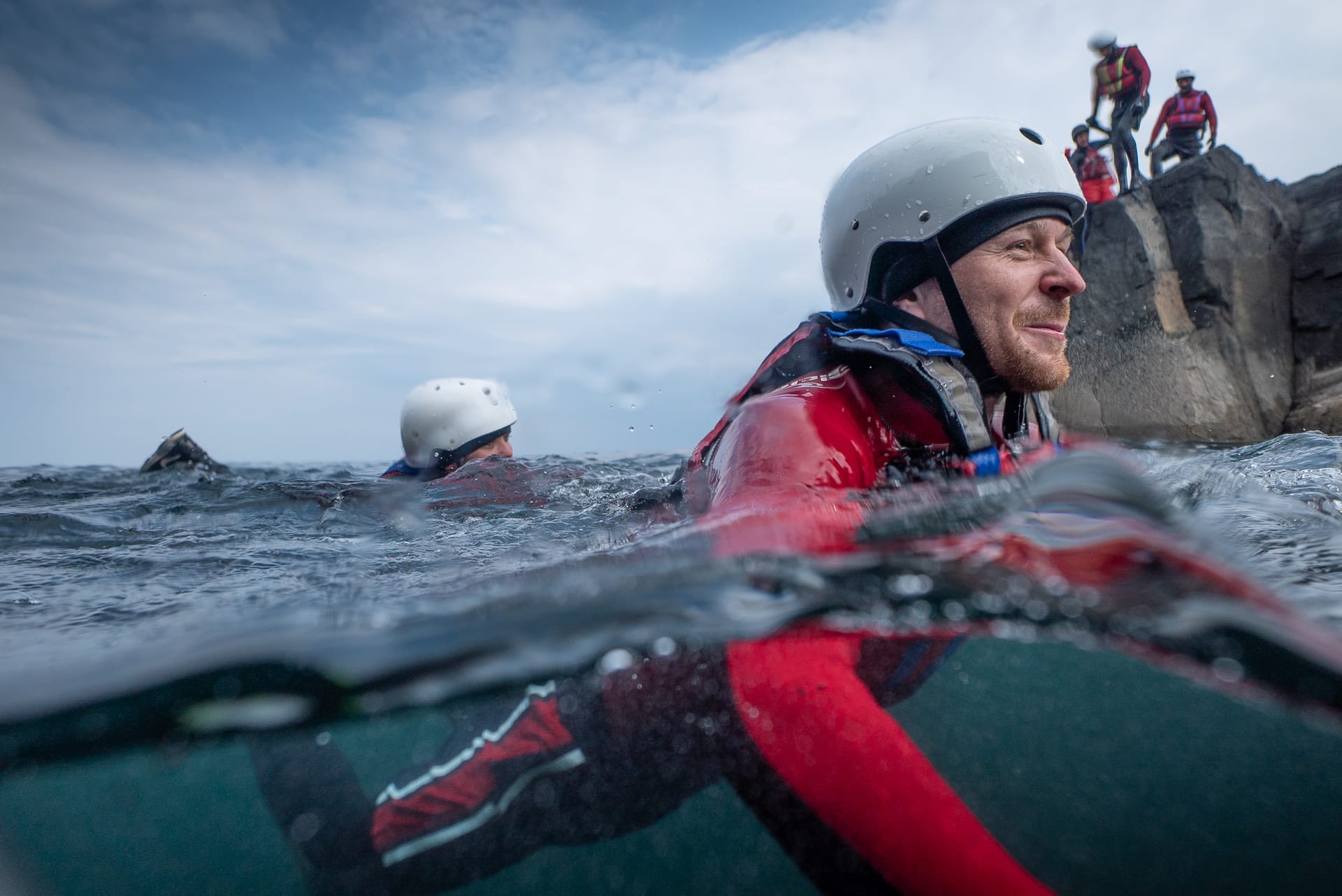
Filming in Scotland rewards local knowledge — of locations, of light, of seasons, of permissions. A production company that knows the country can plan a shoot that gets the most from the conditions and avoids the practical pitfalls. When we produced the West Coast Waters series for Rural Dimensions, the films succeeded because we knew the coast intimately and could return to locations when the conditions were right rather than settling for a fixed shoot day.
Step four: agree the scope clearly
Be clear from the outset about deliverables: how many films, what lengths, what formats, and where they will be used. A film for Instagram, a film for a website homepage and a film for a trade show are different specifications, and the most cost-effective approach is often to plan for all required outputs at the briefing stage rather than commissioning them piecemeal.
Step five: trust the process on the shoot
On location, conditions change and plans adapt. A weather window closes; a better one opens somewhere else. Giving the crew the latitude to respond to this is how the best footage gets made. The role of the commissioning client on the day is to be available for decisions, not to direct shot by shot.
Step six: review constructively
When the first cut arrives, review it against the original objective, not against a mental film you had in your head. Feedback that says “this section does not serve the goal of attracting first-time visitors” is far more useful than “I do not like this shot.” A good edit is a conversation, and clear, objective-led feedback gets to a strong final cut quickly.
Step seven: plan for distribution
The film is only half the job. A tourism video that is made beautifully and then posted once and forgotten has wasted its budget. Plan how and where it will be used — across your website, social channels, trade communications and campaigns — before it is delivered.
Our tourism video production service sets out how we work with tourism clients from brief to delivery.
Frequently asked questions
How do I choose between competing video production quotes?
Compare like with like. A higher quote that includes more shoot days, drone work, multiple deliverables and a proper colour grade may represent better value than a cheaper one that cuts those things. Look at each company’s actual work in your sector, and weigh local knowledge of Scotland, which directly affects what they can capture.
What information should I give a production company up front?
The most useful brief sets out your objective, your audience, your budget range, your deadline and any fixed constraints such as locations or people who must appear. You do not need to specify shots; describing what is true and distinctive about your destination and trusting the filmmaker’s judgement usually produces stronger results.
How much should a tourism business expect to invest in a video?
It depends entirely on ambition. A single-day shoot producing a short one-to-three-minute film typically falls in the lower thousands, while a multi-day campaign with drone footage, several locations, interviews and broadcast-standard delivery is a larger investment that should be matched to a correspondingly significant objective. The honest answer is that the right budget is the one that fits what the film needs to achieve, not a fixed figure. A good production partner will help shape this with you rather than simply quoting a number, advising on where investment makes a visible difference and where it does not. The worst outcome is spending too little to meet the objective and ending up with a film that cannot do its job.