Wildlife tourism video in Scotland is one of the most rewarding and most difficult kinds of destination film to make well. It sits at the intersection of landscape filming, sport-style fieldcraft and a great deal of patience, and it cannot be approached like a standard tourism shoot. When we made the Dream Wild campaign film for Wild Scotland, the trade body for Scotland’s wildlife tourism sector, we learned a great deal about what this kind of work demands.
Why wildlife tourism video is different
A standard destination film can be planned around locations and light. A wildlife film has to be planned around animals, and animals do not follow a shot list. You cannot schedule an otter, instruct an eagle, or guarantee that a pod of dolphins will appear during your shoot window. This unpredictability changes everything about how the production is approached: it demands flexibility, redundancy in the schedule, and an acceptance that some of the best moments cannot be manufactured.
Filming the experience, not just the animal
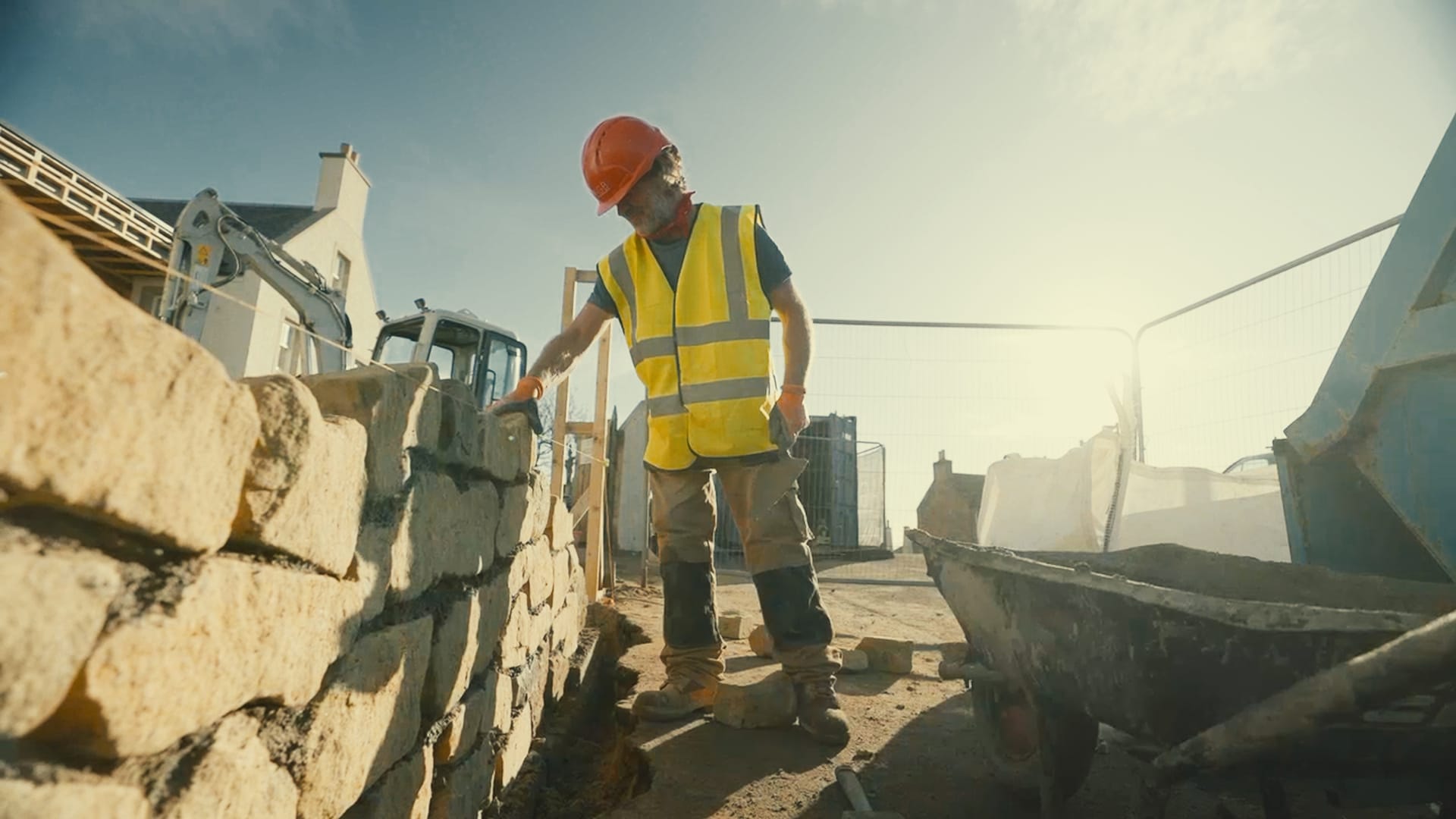
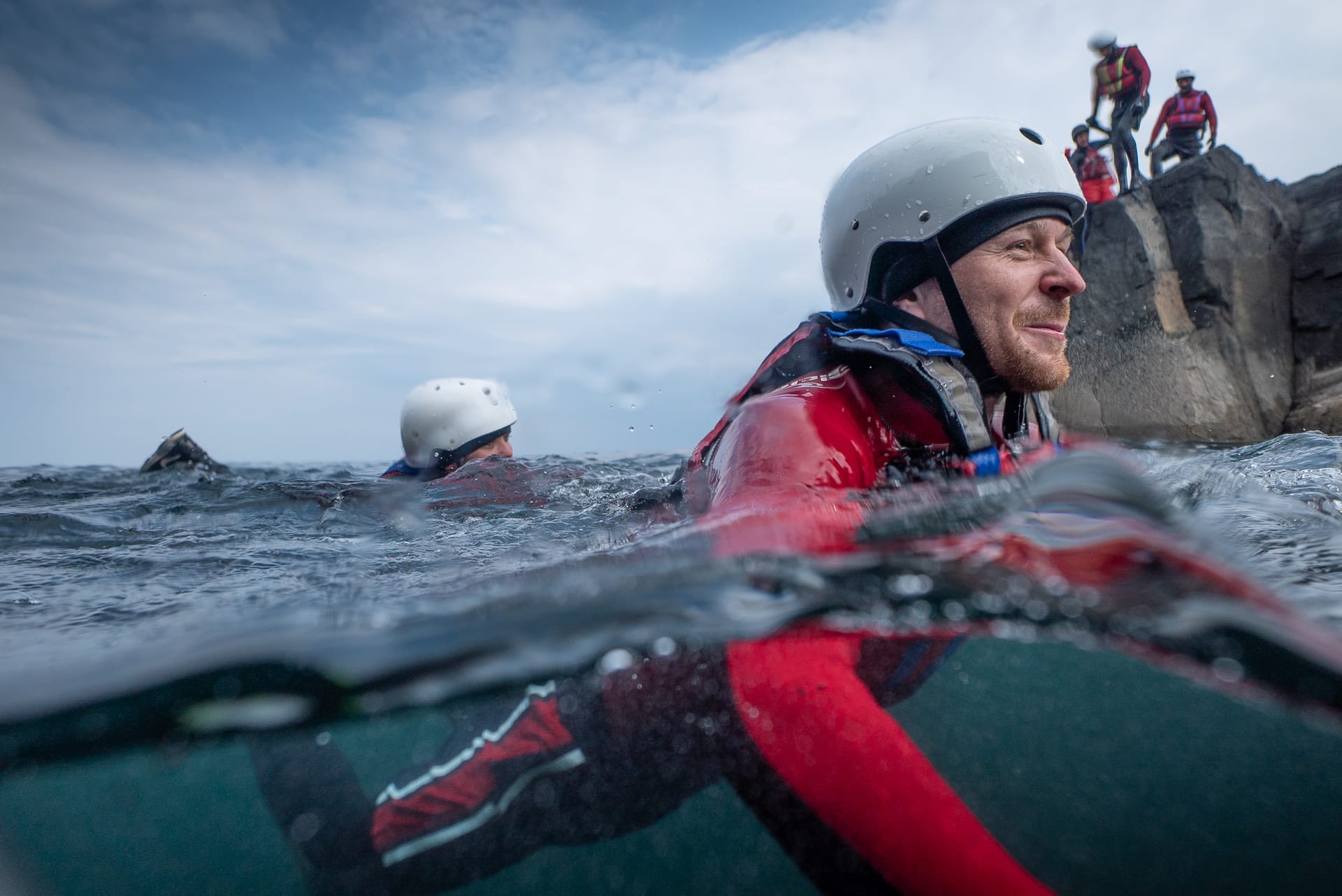
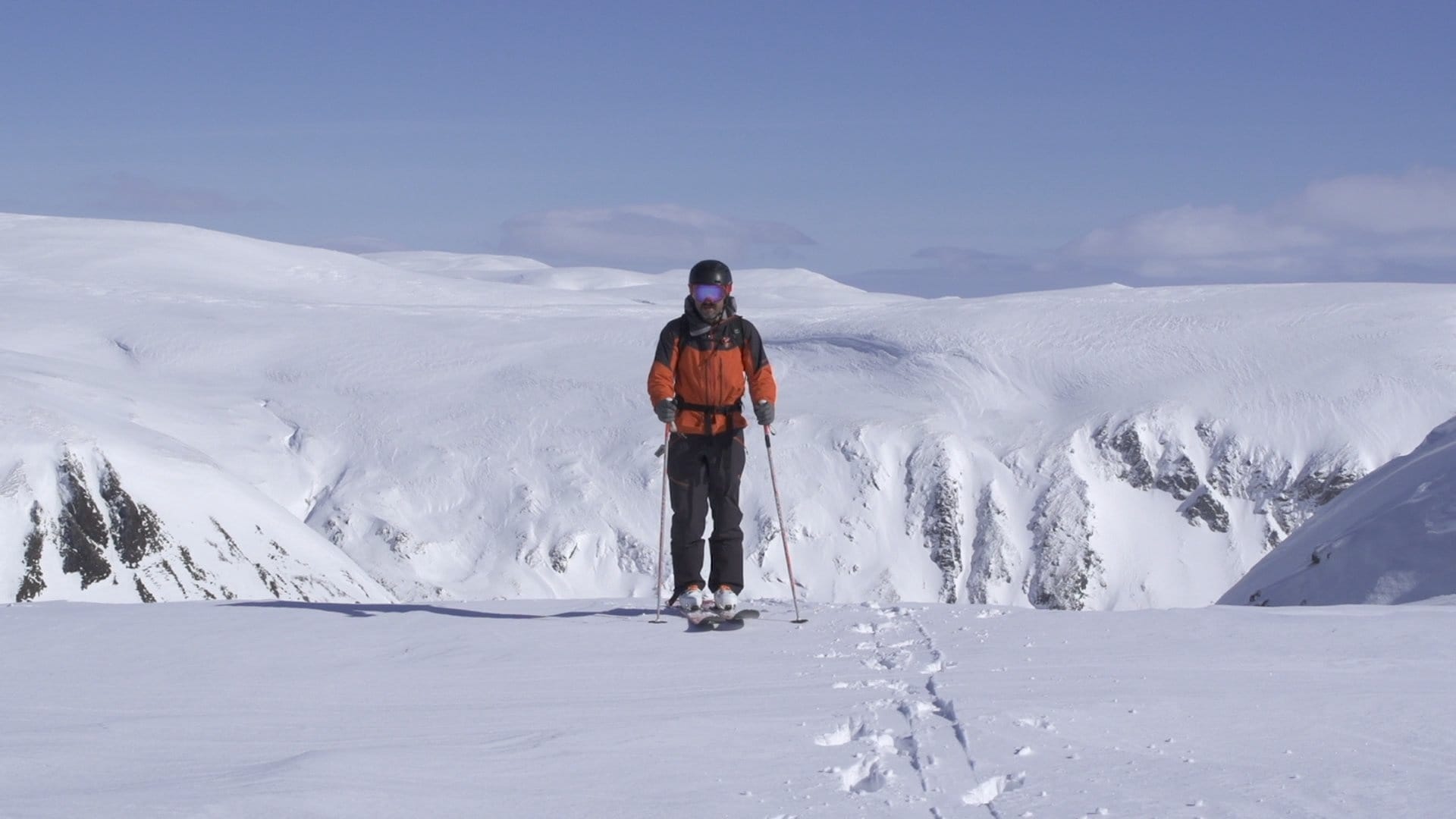
Crucially, wildlife tourism video is not natural history filmmaking. The subject is not really the animal; it is the experience of encountering it — the guided trip, the operator’s expertise, the visitor’s sense of being somewhere genuinely wild. Wild Scotland’s members guide visitors into Scotland’s wild places for wildlife watching, sea kayaking, hillwalking, birdwatching and photography tours, and the Dream Wild film had to convey the quality and breadth of those experiences. That meant filming people as much as wildlife, and capturing the atmosphere of anticipation that defines a good wildlife day.
Fieldcraft and patience
The practical skills overlap heavily with adventure and sport filming: working quietly in the field, reading conditions, being comfortable in remote terrain, and waiting — often for a long time — for a moment that may or may not come. A crew that is restless or uncomfortable outdoors will struggle here. The discipline of stillness and observation, which is at the core of how we approach all landscape work, is even more essential when an animal’s appearance cannot be controlled.
Working across seasons and locations
Scotland’s wildlife is seasonal and dispersed. Different species and experiences peak at different times and in different places, from Highland wildlife encounters to coastal kayaking and guided hill days. Building a film that represents the diversity of the sector meant a shoot schedule spread across a range of locations and seasons, identifying with Wild Scotland the experiences that would communicate the sector’s range most effectively.
The grade and the natural palette
Wildlife and landscape footage benefits enormously from a restrained, authentic grade. The aim is to enhance the natural palette of the Scottish environment without tipping into the over-saturated look that makes wildlife content feel artificial. Footage that feels true to anyone who has actually been in those environments carries far more credibility than footage that has been pushed for effect.
Why specificity wins
As with all tourism video, specificity is what earns attention. A generic montage of “Scottish wildlife” is forgettable. A film that captures the particular character of a guided experience, in a named place, with the people who run it, tells a story that no other destination can claim. That is the standard wildlife tourism video should aim for.
If you represent a wildlife tourism operator or organisation, our tourism video production service explains how we approach this specialised work.
Frequently asked questions
Can you guarantee wildlife will appear on camera?
No honest filmmaker can guarantee a wild animal will appear on a given day, and we do not pretend otherwise. What we do is plan for unpredictability: building flexibility into the schedule, working with operators who know where and when encounters are likely, and focusing the film on the experience as much as the animal itself.
What makes a good wildlife tourism film different from a nature documentary?
A nature documentary is about the animal. A wildlife tourism film is about the experience of encountering it — the guided trip, the operator’s expertise and the visitor’s sense of being somewhere genuinely wild. That means filming people and atmosphere as much as wildlife, which shapes the whole approach.
How do you plan a shoot around animals you cannot control?
You plan for unpredictability rather than against it. That means building flexibility and redundancy into the schedule so a quiet day is not a wasted one, working closely with operators and guides who know where and when particular encounters are most likely, and being prepared to return or wait when conditions demand it. It also means shifting the focus of the film: because the animal cannot be guaranteed, the experience around it — the guided trip, the anticipation, the expertise of the people leading it, the wild setting — becomes the reliable spine of the story. Done well, that produces a richer, more honest film than one that pretends a wildlife encounter can be staged to order, and it is how we approached the Dream Wild project for Wild Scotland.